Our other sites:


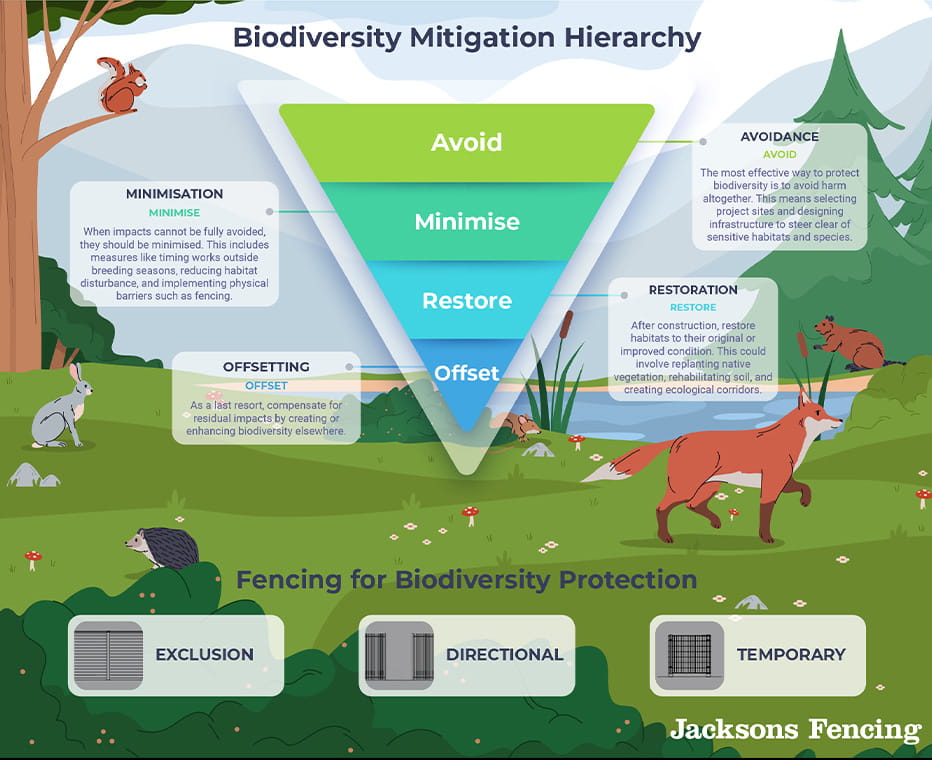
Biodiversity Mitigation Hierarchy:
How Fencing Protects Wildlife and Habitats
Development projects often intersect with natural ecosystems, creating challenges for biodiversity conservation. To address these challenges, environmental professionals use the biodiversity mitigation hierarchy, a structured approach that prioritises avoiding harm and minimising impacts before considering restoration or offsetting.
In this blog, we’ll explore the four stages of the mitigation hierarchy, and dive into how fencing plays a critical role in protecting wildlife during construction and beyond.
What Is the Biodiversity Mitigation Hierarchy?
The mitigation hierarchy is a globally recognised framework designed to reduce negative impacts on biodiversity. Adopting a ‘nature first’ approach in development projects means prioritising the protection of existing biodiversity on the site. To effectively achieve biodiversity goals, it is essential to preserve and incorporate the natural features already present. Offsetting should only be considered as a last resort.
It consists of four steps:
Avoidance/Avoid
The most effective way to protect biodiversity is to avoid harm altogether. This means selecting project sites and designing infrastructure to steer clear of sensitive habitats and species.
Minimisation/Minimise
When impacts cannot be fully avoided, they should be minimised. This includes measures like timing works outside breeding seasons, reducing habitat disturbance, and implementing physical barriers such as fencing.
Restoration/Restore
After construction, restore habitats to their original or improved condition. This could involve replanting native vegetation, rehabilitating soil, and creating ecological corridors.
Offsetting/Offset
As a last resort, compensate for residual impacts by creating or enhancing biodiversity elsewhere.
Where Does Fencing Fit In?
Fencing is a practical and cost effective tool within the minimisation stage of the hierarchy. It helps reduce direct harm to wildlife during construction and operation by: - Excluding animals from hazardous areas such as roads, construction zones, or contaminated sites. - Guiding species toward safe passages like underpasses or overpasses, maintaining connectivity, and reducing habitat fragmentation. - Protecting sensitive habitats from disturbance during works.
Types of Fencing for Biodiversity Protection
- Exclusion Fencing
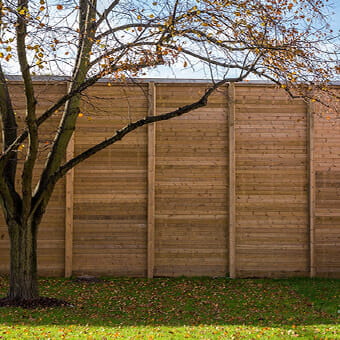
Designed to keep wildlife out of dangerous areas, exclusion fencing prevents collisions, injuries, and mortality. Common examples include fencing along highways to reduce roadkill. This commonly includes fencing like acoustic barriers, which not only achieve the exclusion goal, but also reduce noise and light pollution, helping to provide more peaceful habitats for the wildlife within. - Directional Fencing
Directional fencing works in tandem with wildlife crossings, guiding animals toward safe routes. This is essential for species that rely on seasonal migration or daily movement patterns. It is important to consider the design and fabric of the fencing to ensure small animals like hedgehogs and foxes cannot become caught. - Temporary Fencing
Used during construction phases, temporary fencing protects nesting sites, wetlands, or other sensitive habitats from accidental damage. - Supplementary biodiversity protection measures
In addition to the three primary biodiversity fencing categories, there are supplementary biodiversity protection measures that enhance habitat conditions rather than physically guiding or excluding wildlife. A key example is acoustic fencing. Acoustic fencing reduces noise from roads, railways, and construction sites, which helps species that rely on sound for communication and natural behaviour. It can also limit light spill by blocking direct glare from vehicles and site lighting. This supports healthier nighttime conditions for bats, owls, and insects. When used alongside vegetation buffers or set back development, acoustic fencing contributes to quiet zones, which provide areas of reduced disturbance for sensitive wildlife.

Best Practices for Biodiversity Friendly Fencing
Wildlife Friendly Designs
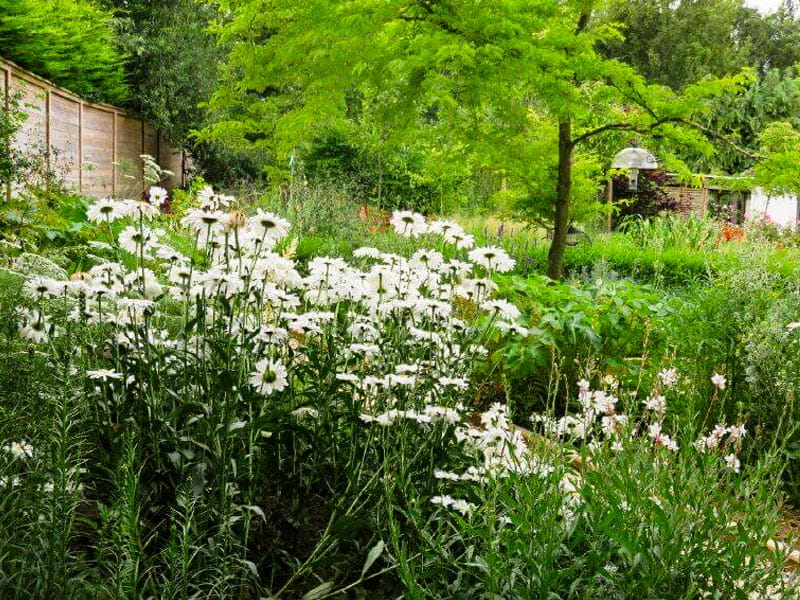
Where appropriate, allow smaller species to pass safely while excluding larger animals from hazardous zones, such as hedgehogs passing under vertical bar fencing.
Combine Fencing with Ecological Corridors
Maintain habitat connectivity to prevent genetic isolation.
Regular Inspection and Maintenance
Ensure fences remain effective and do not become traps or barriers.
Consider Seasonal Needs
For example, amphibian migration periods may require temporary adjustments.
Why Fencing Matters for Sustainable Development
Fencing is more than just a physical barrier; it serves as a strategic conservation tool. When integrated thoughtfully into the mitigation hierarchy, fencing helps balance development with ecological responsibility, reducing wildlife mortality and preserving biodiversity. Its purpose is to harmonise economic growth with environmental protection and social wellbeing. In this context, fencing is a critical safeguard for biodiversity.
Here’s why:
- Reduces Wildlife Mortality
Infrastructure projects, particularly roads and railways, pose significant risks to wildlife. Vehicle collisions are a leading cause of mortality for many species. Strategic fencing prevents animals from entering hazardous areas, thus reducing fatalities and helping to stabilise populations. - Maintains Habitat Connectivity
Habitat fragmentation is one of the biggest threats to biodiversity. When natural areas are divided by roads or developments, species lose access to food, mates, and migration routes. Fencing, combined with wildlife corridors (such as underpasses and overpasses), ensures safe passage, maintaining genetic diversity and ecosystem health. - Minimises Construction Impact
Temporary fencing during construction protects sensitive habitats; such as wetlands, nesting sites, and breeding grounds, from accidental damage. This proactive measure reduces restoration costs and accelerates ecological recovery after the project is completed. - Supports Regulatory Compliance
Many environmental regulations and planning frameworks require mitigation measures to protect biodiversity. Fencing demonstrates compliance with these standards, reducing legal risks and enhancing the credibility of projects. - Enhances Community and Stakeholder Trust
Visible biodiversity protection measures, like fencing, signal a commitment to sustainability. These build trust with local communities, environmental groups, and investors who prioritise responsible development. - Cost Effective Long Term Solution
While fencing requires an upfront investment, it helps prevent costly consequences such as wildlife collisions, habitat restoration, and potential reputational damage. It is a practical, scalable solution that aligns with long-term sustainability goals. In summary, fencing is not just a barrier; it is a bridge between development and conservation. By integrating fencing into the biodiversity mitigation hierarchy, projects can minimise ecological harm, comply with regulations, and contribute to global sustainability targets.
Key Takeaways
- Fencing supports the minimisation stage of the mitigation hierarchy.
- Different types of fencing serve different ecological purposes.
- Best practices ensure fencing protects wildlife without creating new problems.
Looking for expert advice on biodiversity mitigation strategies? Contact us today to learn how we can help integrate fencing and other measures into your project for a sustainable future.
Related
Related Products
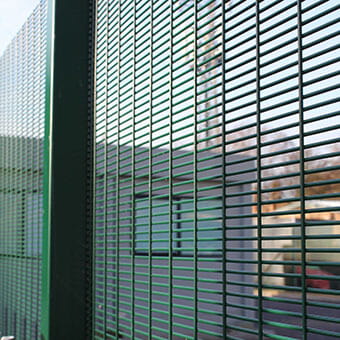
Jacksons Fencing have a large range of related products, all complete with our 25 year guarantee. If you cannot find the item you are looking for, please do not hesitate to call our friendly sales team.


Related Content
Case Studies
Related Case Studies
We have completed a large number of projects in various sectors, from housing, retail, leisure and education, to hospitals and healthcare, transport, utilities, and high security NPSA (previously CPNI) sites. Discover more through our portfolio of case studies.

Blogs
Related Content
We have an extensive library of blogs covering a wide selection of topics, whether you need a helpful guide for recognising accreditations, an understanding of different processes such as galvanisation, or specialist advice on securing a rural site against crime.

Contact Us
Need Help?
From design and manufacturing to supply and installation, we can help you with your project. If you'd like to discuss anything in this article or need information or guidance, please feel free to contact us at any stage to discuss your requirements.
Top