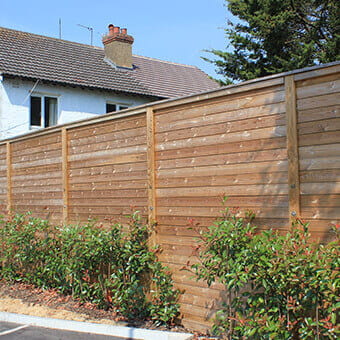
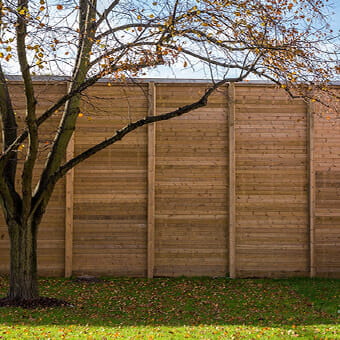
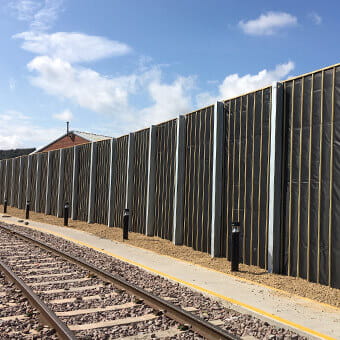
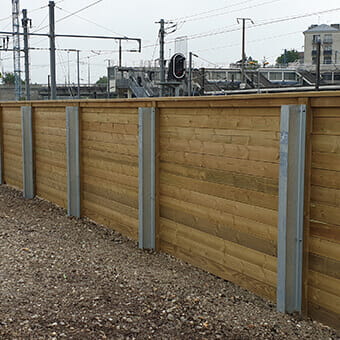
Which acoustic barrier is right for your site?
Use our comparison tool to help you determine which acoustic barrier is right for your project.
Our other sites:
As sustainability moves from aspiration to obligation across the construction and infrastructure sectors, every element of a project is under greater scrutiny. From embodied carbon to lifecycle performance, commercial decision makers are now expected to demonstrate measurable contributions towards Net Zero targets. One area that is often overlooked in this conversation is noise control.
Acoustic barriers are typically specified to meet compliance requirements or reduce community impact, but when designed and manufactured responsibly, they can also play a meaningful role in supporting sustainability goals. The key lies in material choice, longevity, and whole life performance.
For projects seeking to align with Net Zero ambitions, timber acoustic barriers present a compelling and practical solution.
Noise pollution is not just a quality of life issue. It is increasingly recognised as an environmental concern, particularly in densely populated or infrastructure-heavy areas. Managing noise effectively reduces disruption to local communities, protects wildlife, supports planning approvals, and helps avoid costly delays.
However, sustainability extends beyond mitigation. It is about how products are sourced, manufactured, used, and ultimately replaced. Acoustic barriers that require frequent replacement or rely on high carbon materials can undermine wider environmental targets. Conversely, well designed systems that last longer and use renewable resources can significantly reduce overall impact when specified, sourced, and installed responsibly.
For commercial clients, this creates an important question: can acoustic barriers contribute positively to Net Zero strategies rather than simply meeting minimum requirements?
The material used in an acoustic barrier has a direct impact on its carbon footprint. Steel, concrete, and plastic-based systems can offer durability, but they are typically associated with higher embodied carbon, depending on how they are produced and specified.
Timber offers a fundamentally different proposition.
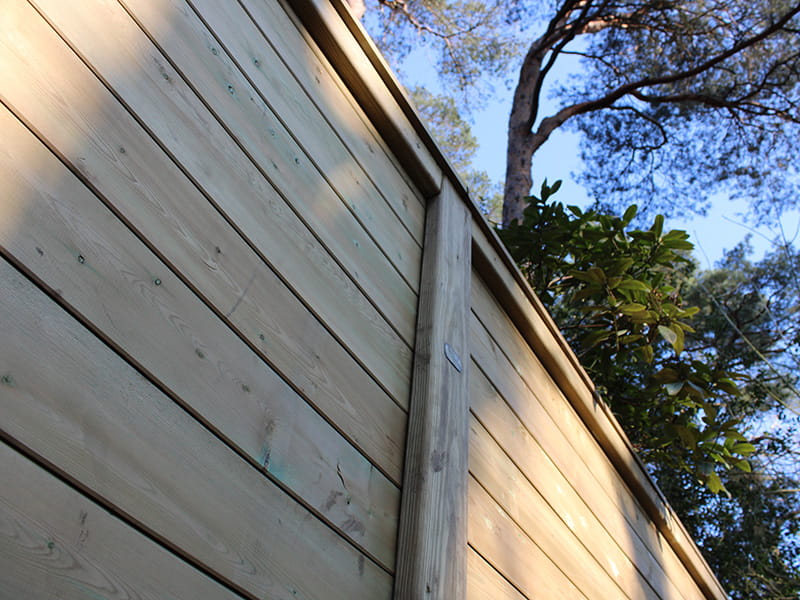
Timber is one of the few construction materials that is naturally renewable when sourced responsibly. Managed forests allow for continuous regrowth, ensuring supply is replenished rather than depleted.
One of the most significant sustainability advantages of timber is its ability to store carbon. Trees absorb carbon dioxide during their growth, and this carbon remains stored within the material throughout its service life, helping to reduce the overall carbon impact of a project.
When used in long-life products such as acoustic barriers, this contributes to reducing the overall carbon footprint of a project.
Compared to many alternative materials, timber requires less energy to process. This results in a lower embodied carbon footprint at the point of manufacture, making it an increasingly attractive option for developers seeking to meet carbon reduction targets.
While material selection is critical, durability is equally important in determining sustainability performance.
A product that needs frequent replacement creates additional manufacturing emissions, transport impact, and waste. This is where the design and treatment of timber acoustic barriers becomes essential.
High quality systems that use kiln dried and pressure treated timber are specifically engineered to perform in demanding environments. The kiln drying process reduces moisture content, improving stability and minimising the risk of warping or splitting. Pressure treatment provides long term protection against rot and insect attack, significantly extending service life.
When backed by a 25 year guarantee, these systems offer more than just peace of mind. They represent a long term investment that reduces the need for replacement cycles and lowers whole life carbon impact.
This makes whole life performance a critical consideration when assessing environmental impact, rather than focusing solely on initial material choice.
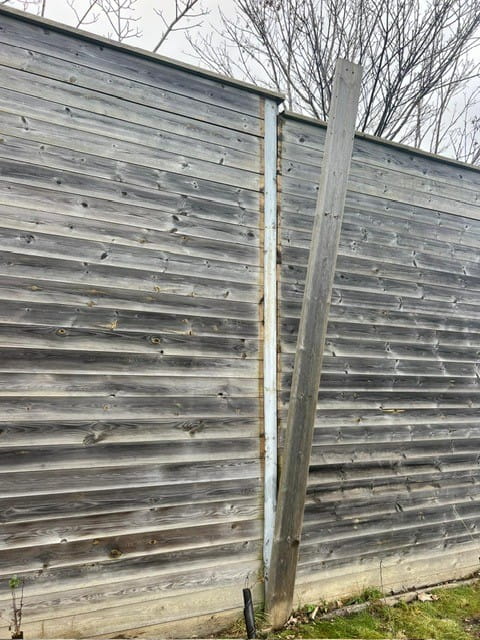
An example of a poorly treated and installed acoustic barrier
In commercial environments, cost often drives decision making. However, focusing solely on initial outlay can lead to higher environmental and financial costs over time.
Timber acoustic barriers with proven durability provide:
This lifecycle approach aligns closely with Net Zero strategies, which prioritise long term carbon reduction rather than short-term savings.
Not all timber products are created equal. For acoustic barriers to genuinely support sustainability goals, responsible manufacturing is essential.
Key considerations include:
Timber should be sourced from responsibly managed forests, typically evidenced through certification schemes such as FSC or PEFC. This ensures environmental, social, and economic standards are maintained across the supply chain.
Minimising waste during production and optimising processes helps reduce environmental impact. Using precision manufacturing techniques can maximise yield from raw materials, ensuring less timber is wasted.
Manufacturing processes such as kiln drying and pressure treatment ensure the finished product is fit for purpose and capable of delivering long-term performance in commercial applications.
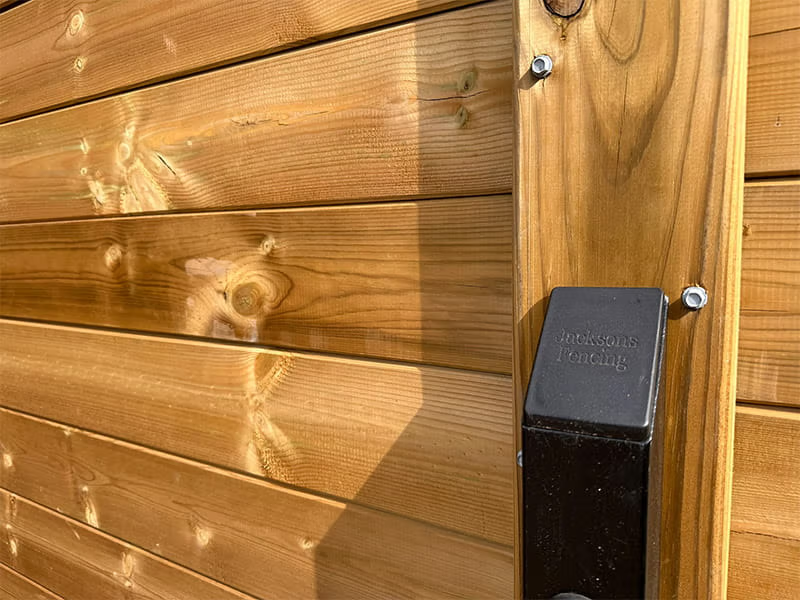
Timber acoustic barriers also align well with broader trends in sustainable construction.
Prefabricated barrier systems are quicker to install and require fewer heavy processes on site. This reduces energy use, machinery emissions, and overall disruption.
Timber systems can be easily modified or extended, making them suitable for phased developments or evolving project requirements without complete replacement.
As sustainability increasingly overlaps with design, timber offers a natural appearance that integrates more effectively into surrounding environments. This is particularly valuable in projects where visual impact matters alongside environmental performance.
Sustainability is no longer just a reputational benefit. It is becoming a core requirement driven by regulation, investor expectations and client demand.
Developers, contractors, and specifiers are under increasing pressure to demonstrate:
Timber acoustic barriers support all of these objectives when specified correctly. They enable projects to deliver effective noise control while contributing to broader environmental goals.
Achieving Net Zero is a complex challenge that requires incremental improvements across every aspect of a project. While acoustic barriers may represent a relatively small component, their impact should not be underestimated.
By selecting timber systems that are kiln-dried, pressure-treated and built for long-term performance, commercial stakeholders can:
These benefits combine to create a solution that is not only effective in controlling noise but also aligned with modern sustainability expectations.
Acoustic barriers are no longer just a compliance-driven necessity. They are an opportunity to make more sustainable choices within commercial developments.
Timber Jakoustic® acoustic barriers, in particular, offer a balance of performance, durability and environmental responsibility. With renewable sourcing, carbon storage benefits, and long-term guarantees, they represent a practical and credible contribution to Net Zero goals.
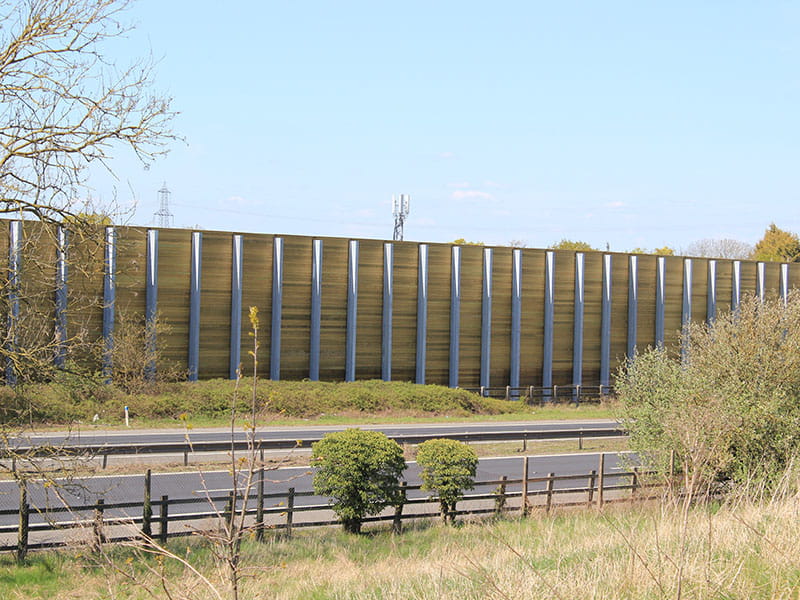
For commercial projects seeking to reduce environmental impact without compromising on performance, the message is clear. Noise control and sustainability do not have to be competing priorities. With the right materials and design approach, they can work together to deliver smarter, more responsible outcomes.
While no single product can deliver Net Zero on its own, specifying lower-impact, longer-lasting materials is a practical and measurable step in the right direction.
Use our comparison tool to help you determine which acoustic barrier is right for your project.
Jacksons Security has a range of products relating to this article, all complete with our 25 year service life guarantee. If you cannot find the item you are looking for, please do not hesitate to call our friendly sales team.
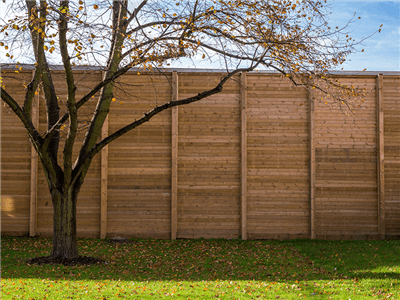
We have completed a large number of Acoustic projects in various sectors, from housing, retail, leisure and education, to hospitals and healthcare, transport, utilities, and high security CPNI sites. Discover more through our portfolio of Acoustic case studies.
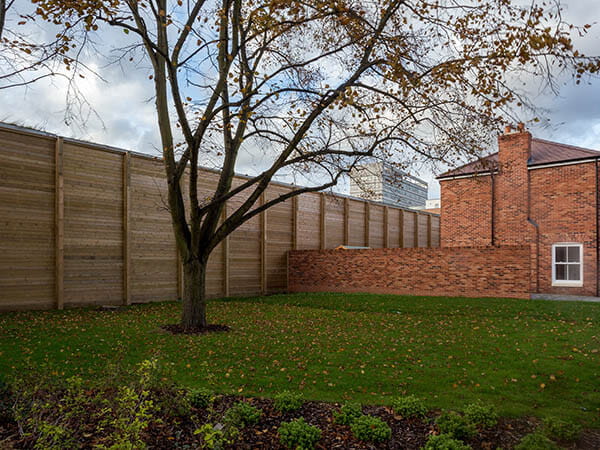
We have an extensive library of Acoustic blogs covering a wide selection of topics, whether you need a helpful guide for recognising accreditations, an understanding of different processes such as our unique timber treatment or UKCA marking regulations for noise barriers.
From design and manufacturing to supply and installation, we can help you with your project. If you'd like to discuss anything in this article or need information or guidance, please feel free to contact us at any stage to discuss your requirements.
Top