Our other sites:


Martyn’s Law, formally the Terrorism (Protection of Premises) Act 2025, will soon require education settings to take proportionate steps to improve preparedness and reduce vulnerability in the unlikely event of a terrorist incident.
The legislation applies to any school, college, or campus where 200 or more people are reasonably expected to be present, placing most mainstream education providers within the Standard Tier.
Although the requirements for schools are intentionally proportionate, they do call for a clearer understanding of how the physical environment supports evacuation, invacuation, lockdown and communication procedures. Schools are not expected to install high specification security systems or undertake major structural works, but they are expected to demonstrate that risks have been considered thoughtfully and that reasonably practicable measures are in place.
The responsible person, who is legally required under Martyn’s Law in all education settings that fall within scope, must also understand how perimeter fencing and gates contribute to protection procedures and support overall compliance.
This blog explores what that means in practice, particularly around fencing, gates, access control, and the use of barriers to support safe place planning.
Understanding the Risk Assessment Requirement
Under Martyn’s Law, education settings must complete a risk assessment to understand site vulnerabilities and identify how existing design features support or hinder emergency procedures.
A proportionate risk assessment for a school or college typically covers:
1. Perimeter and Access Points
Schools must understand how people move onto, around, and away from the site. While Standard Tier settings do not need new physical measures by default, they must consider whether their current perimeter:
Fencing and gates play a role here. The focus is on clarity and control, not on creating a fortress. Good perimeter design can support quick evacuation, safe invacuation, and effective lockdown by ensuring staff can direct pupils securely and predictably. This aligns with broader protective security considerations described in sector guidance.
2. Movement Within the Site
Risk assessments also look at internal circulation routes, including paths, courtyards, playgrounds, and walkways. These routes become critical during an evacuation or invacuation, where the aim is to move people away from risk safely and quickly.
3. Safe Areas for Invacuation and Lockdown
Schools must identify spaces where people can move quickly if there is a need to shelter inside and lockdown. This is where fencing, screens or barriers can be relevant. These features may help create concealed, safe areas that are out of sight while keeping pupils contained and supervised.
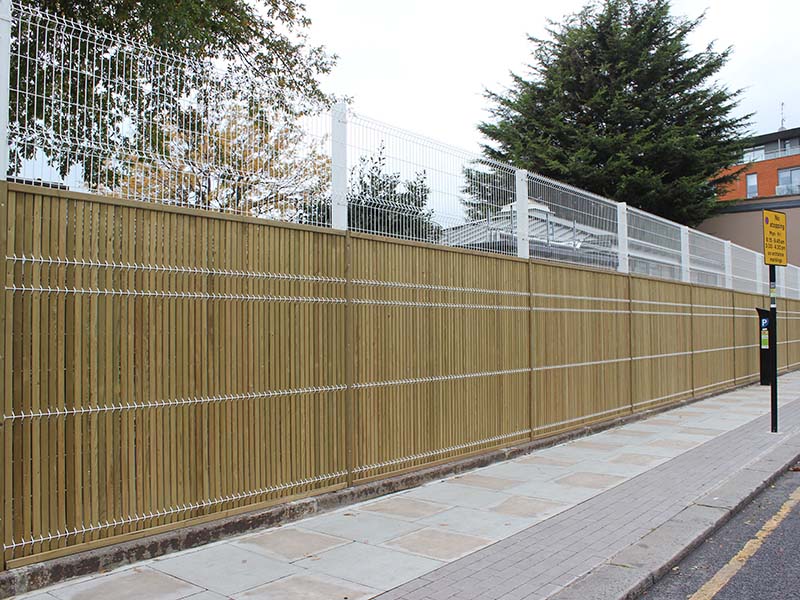
Because Standard Tier duties stress low cost, staff led activities, schools are not required to build new structures, but they do need to understand whether current features support their plans.
4. Communication Routes
A risk assessment must examine how staff are alerted during an incident. Reliable, documented procedures and internal communication systems are essential for coordinating evacuation, invacuation or lockdown.
How Fencing, Gates and Access Control Support Martyn’s Law
While Martyn’s Law does not compel schools to install additional physical security equipment, the existing estate must be understood and used effectively.
Perimeter Fencing
Perimeter fencing helps define the school boundary and channels visitors through controlled access points. A clear, well maintained perimeter:
This complements Martyn’s Law’s focus on preparedness and reducing vulnerability, without requiring new infrastructure unless specific weaknesses are identified.
Gates and Access Control
Risk assessments may highlight the importance of:
Enhanced Tier settings, such as large universities, may have more formal access control systems. For Standard Tier schools, proportionate, staff managed gates and entrances are usually sufficient.
Barriers and Screens for Safe Spaces
In an invacuation or lockdown, pupils may be moved to areas that offer shelter and reduced visibility. Privacy fencing, acoustic barriers, privacy mesh, screened zones, hedges, outdoor structures, or architectural features can help create concealed, supervised safe locations.
Many of these features already exist on school sites. Schools simply need to understand these spaces and plan how they will be used.
How Physical Design Supports the Four Core Procedures
Martyn’s Law identifies four essential safeguarding procedures for education settings: evacuation, invacuation, lockdown, and communication. Schools must document and test these at least annually.
1. Evacuation: Getting People Off Site Safely
In an evacuation, fencing and gates help guide people to assembly points and keep routes clear. Paths should be easy to navigate, and emergency gates should be operable under pressure.
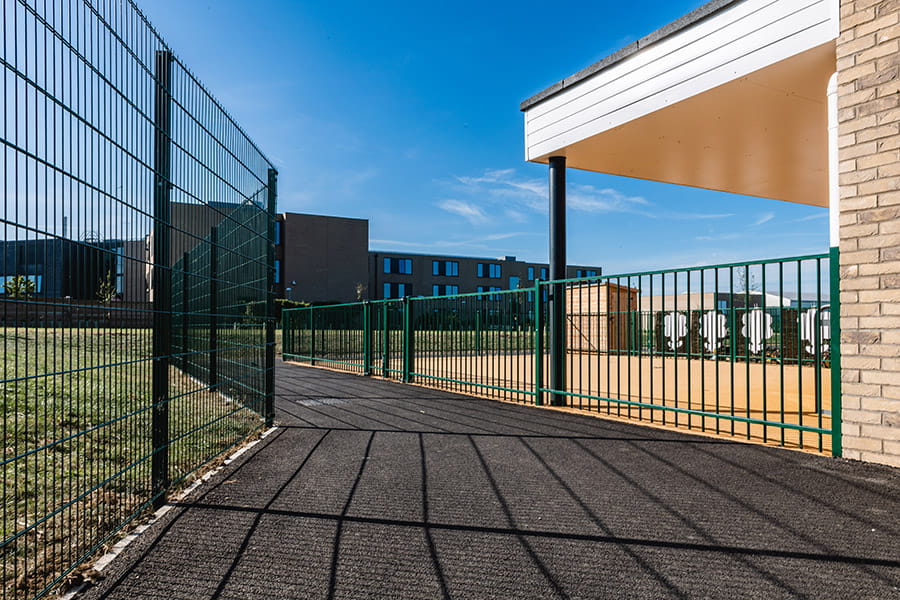
2. Invacuation: Moving People to a Safe Place On Site
Invacuation requires directing pupils to sheltered areas. Site design features such as fencing, outdoor structures, and internal layouts can support discreet, well managed movement.
3. Lockdown: Securing the Premises
During a lockdown, the aim is to restrict internal and external movement. Perimeter security helps maintain the integrity of the site boundary, while internal doors and gates help compartmentalise areas. Staff led procedures remain central to this practice.
4. Communication: Alerting Staff, Pupils and Visitors
A risk assessment must confirm that communication systems reach all parts of the site, including outdoor areas where fencing and layout can influence audibility and visibility. Clear communication routes support all other procedures.
Considering Vehicle as Weapon Risks in a Proportionate Way
While vehicle as a weapon attacks have been part of the wider UK terrorism threat picture, current Martyn’s Law guidance for education settings does not specifically reference vehicle based attacks.
The official education policy paper outlines the need for schools to consider how they would respond to a terrorist attack in general terms, without detailing specific attack methods. However, vehicle related risks still fall within the broader requirement to reduce vulnerability to terrorist attacks.
Government counter terrorism materials describe the threat landscape as enduring and evolving. This reinforces the need for a holistic view of the site, including how vehicles interact with the school environment.
For most education providers, this means considering:
Will Some Schools Need Fencing, Gates or HVM Under Martyn’s Law?
Martyn’s Law makes clear that Standard Tier education settings are not required to install new physical security measures. The guidance emphasises simple, low cost, staff led procedures and explicitly states there is no expectation to alter premises or purchase specialist equipment.
Where a vulnerability is identified, the law does not mandate physical interventions. Instead, schools are expected to decide what is reasonably practicable for their context, based on their own risk assessment.
For most Standard Tier schools, this means prioritising clarity of procedure, confident staff, and informed use of the existing estate, rather than significant construction works.
Physical security is therefore not irrelevant, but it must remain proportionate. By approaching risk assessment practically and understanding how site layout contributes to safety, schools can meet Martyn’s Law requirements confidently and in line with both its spirit and legal intent.
Related Content
Related Products
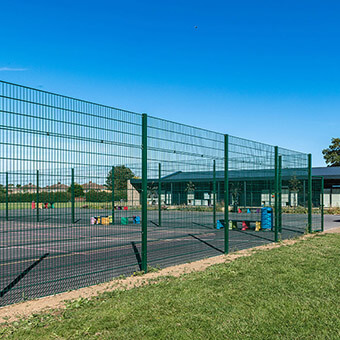
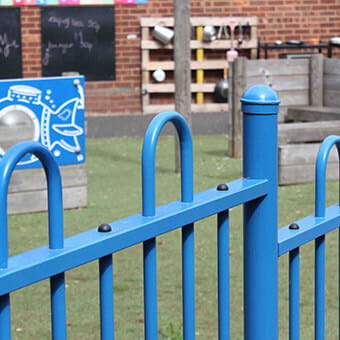
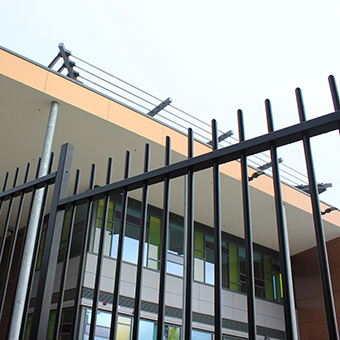
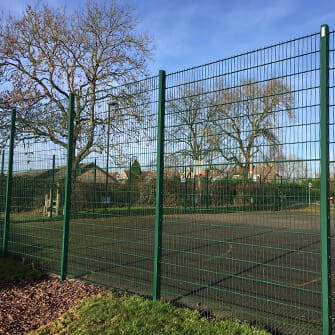
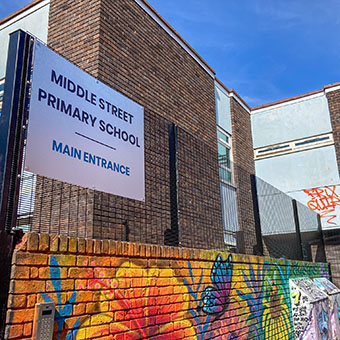
We have completed over 5000 education projects in the last ten years and have a huge range of school fencing and gates, all guaranteed for 25 years. Browse individual products or view the full range below.
School Fencing

Related Content
Case Studies
Related Case Studies
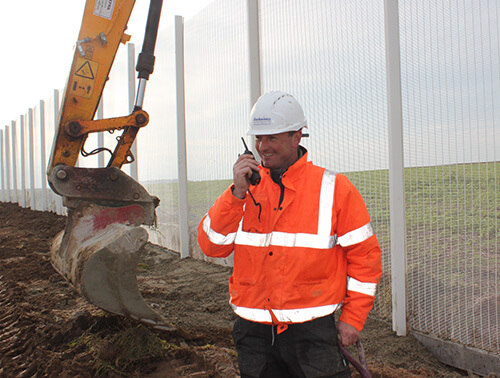
We have completed a large number of projects in various sectors, from housing, retail, leisure and education, to hospitals and healthcare, transport, utilities, and high security NPSA (previously CPNI) sites. Discover more through our portfolio of case studies.
Blogs
Related Content
We have an extensive library of blogs covering a wide selection of topics, whether you need a helpful guide for recognising accreditations, an understanding of different processes such as galvanisation, or specialist advice on securing a rural site against crime.

Contact Us
Need Help?
From design and manufacturing to supply and installation, we can help you with your project. If you'd like to discuss anything in this article or need information or guidance, please feel free to contact us at any stage to discuss your requirements.
Top