Our other sites:


Battery energy storage is now a vital part of the UK’s transition to a low carbon energy system. As renewable generation grows, the ability to store electricity safely and reliably has become essential. With this rapid expansion comes a growing need to protect Battery Energy Storage System (BESS) sites from both physical risks and sophisticated cyber threats.
Battery storage sites are high value security targets for several reasons. They contain expensive electrical assets in remote locations, making them vulnerable to intrusion, theft, and vandalism. Sites are also exposed during construction phases when access is less controlled. Environmental conditions can weaken monitoring systems, while outages may disrupt surveillance and perimeter protection. Compliance gaps and inconsistent contractor controls can further increase the risk of unauthorised access. These factors, among many others, mean that BESS sites require both strong physical measures and equally robust digital safeguards. Read our blog to learn why battery energy storage sites are high value security targets.
This blog explores why securing Battery Energy Storage System sites requires a hybrid approach that combines physical security to prevent tampering, theft, and vandalism, with digital security that protects against cyberattacks and remote manipulation of control systems.
Physical security at BESS sites
Physical security protects the essential infrastructure that keeps the site operational. Strengthened physical controls not only deter intruders but also provide critical delay time for response teams.
Perimeter protection
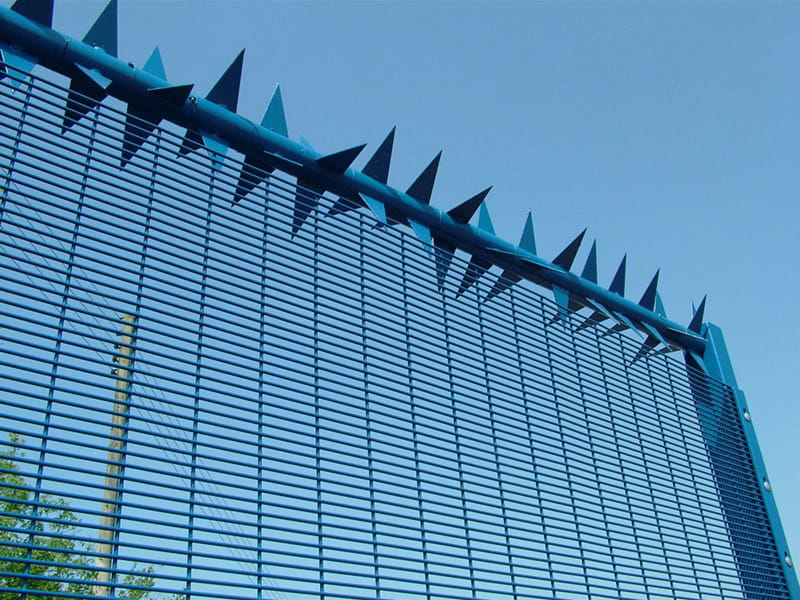
A robust perimeter is the first line of defence and sets the foundation for the entire security strategy. High specification fencing systems, such as LPS 1175 rated welded mesh (including 358 Securi-Mesh) or vertical bar railings with anti climb spacing provide proven delay performance against cutting and scaling attempts. Additional measures such as buried anti dig footings, tamper resistant fixings, and anti lift gates further increase the time required for forced entry. These engineered barriers create clear, sterile zones that support camera sightlines and help deter opportunistic intrusion.
Surveillance and detection
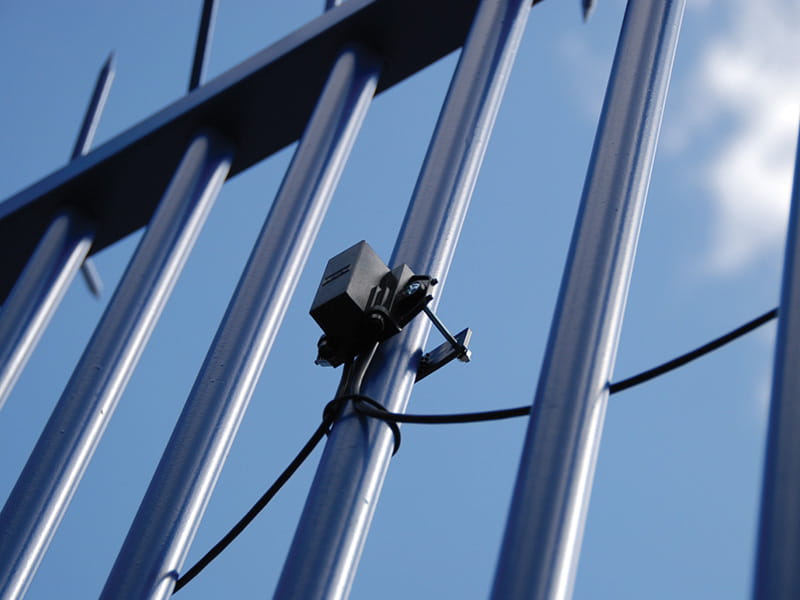
High resolution CCTV supported by artificial intelligence improves detection accuracy and reduces unnecessary interventions. Modern thermal and low light cameras ensure reliable visibility in poor weather and during night time hours, strengthening coverage along the fence line. When paired with perimeter intrusion detection systems (PIDS) mounted directly on the fencing, the site benefits from fast, reliable alerts to cutting, climbing, or vibrations.
Access control
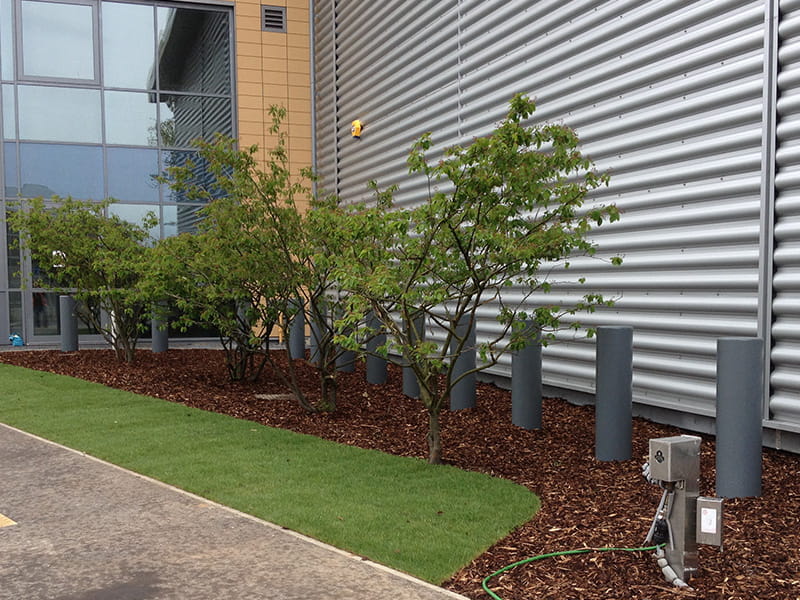
Biometrics, smart cards, and managed visitor procedures ensure that access is restricted to known and authorised individuals. These systems help maintain secure boundaries while creating detailed activity records that support compliance and incident reviews. Physical deterrents such as static and automatic crash‑rated bollards, and Linebacker PAS 68 crash fencing can be added to prevent vehicle assisted intrusion and protect high risk gateways.

Environmental monitoring
Thermal imaging and environmental sensors play an essential role in identifying hazardous conditions before they develop into safety events. Continuous monitoring allows operators to intervene early, reducing the risk of equipment damage or fire.
Digital security at BESS sites
Digital security, or cybersecurity, protects the operational technology that manages energy flows, controls safety systems, and communicates with the wider grid. As BESS installations are increasingly networked and remotely monitored, digital protection is now equally important as physical defence.
Remote access control
Tightly managed access to maintenance portals and control interfaces prevents unauthorised connections. Temporary credentials, session limits, and strong authentication all help minimise cyber risk.
Network security
Segmented networks, industrial firewalls, and encrypted communication limit movement within the digital environment and prevent attackers from accessing battery control or grid support functions. Separation of operational and administrative networks is essential for reducing systemic risk.
Data protection
Encrypted communication and controlled cloud integrations ensure that operational data cannot be intercepted or extracted. This is especially important where foreign hosted platforms or remote diagnostic tools are used.
Seven layers of cybersecurity protection
A multilayered strategy offers far stronger protection than any individual measure. Seven layers of defence can be applied to create a comprehensive cybersecurity framework.
The first layer is physical isolation and intrusion detection is where the physical security measures discussed come into play.
Why cybersecurity matters
BESS sites once operated in isolation but are now highly connected, remotely managed, and software driven. This connectivity provides huge operational benefits, yet it also increases cyber risk. Battery management systems, energy management systems, power conversion equipment, network switches, and remote monitoring tools all present potential routes for intrusion.
A successful cyberattack could falsify system readings, disable safety protections, or manipulate charging and discharging patterns. Even a minor breach can damage equipment, disrupt critical services or compromise public safety. As a result, government bodies and regulators are placing greater emphasis on cybersecurity readiness in energy infrastructure.
The Need for a Hybrid Security Approach
A modern battery storage installation cannot be fully protected by physical or digital measures alone. A cyberattack can disable cameras, override access control or interfere with alarms, while physical access can be used to compromise network hardware or introduce malicious devices. Effective protection therefore requires an integrated approach where physical barriers, digital safeguards, and intelligent monitoring operate together as a single security ecosystem.
By combining high quality perimeter protection, reliable detection systems and layered cyber controls, operators can maintain safe, compliant and future ready BESS sites that support the UK’s long term energy strategy.

Related content:
Why Battery Storage Sites are High Value Security Targets
Fencing for Battery Energy Storage Systems
Security fencing for a battery storage facility
Why Acoustic Barriers Are Essential for Battery Energy Storage Sites
How Fencing Deters Theft, Vandalism and Sabotage at Battery Energy Storage SitesRelated products
Jacksons Security has a range of products relating to this article, all complete with our 25 year service life guarantee. If you cannot find the item you are looking for, please do not hesitate to call our friendly sales team.


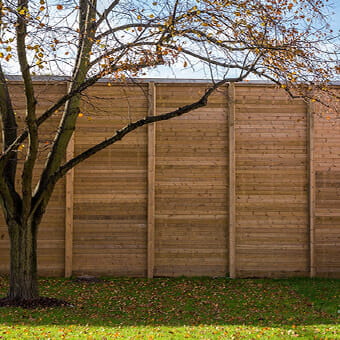
Related Content
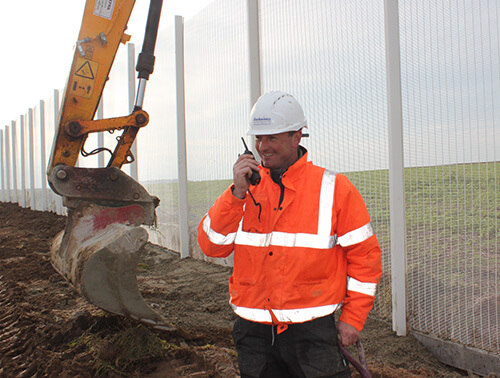
Case Studies
Related Case Studies
We have completed a large number of projects in various sectors, from housing, retail, leisure and education, to hospitals and healthcare, transport, utilities, and high security NPSA (previously CPNI) sites. Discover more through our portfolio of case studies.

Blogs
Related Content
We have an extensive library of blogs covering a wide selection of topics, whether you need a helpful guide for recognising accreditations, an understanding of different processes such as galvanisation, or specialist advice on securing a rural site against crime.

Contact Us
Need Help?
From design and manufacturing to supply and installation, we can help you with your project. If you'd like to discuss anything in this article or need information or guidance, please feel free to contact us at any stage to discuss your requirements.
Top