Our other sites:


Battery storage sites have become a cornerstone of the UK’s transition to a cleaner and more flexible energy system. As renewable generation grows and demand patterns shift, these facilities help stabilise the national grid by storing excess electricity and releasing it during peak periods. Their contribution to energy security, resilience, and decarbonisation is substantial.
Yet even with their advanced engineering and clear environmental benefits, battery storage sites introduce an important challenge that must be addressed early in the design process: operational noise. This is where well designed acoustic barriers become indispensable.
Understanding Noise from Battery Storage Sites
To the casual observer, battery storage sites may appear quiet. The batteries themselves produce minimal sound under typical operating conditions. However, the associated infrastructure needed to convert, regulate, and cool the stored energy generates continuous noise that can be intrusive without proper mitigation. Several key items of equipment are responsible for the majority of the noise produced, including:
Cooling systems
Battery units generate heat and must be kept within a precise temperature range to function safely. Cooling fans operate continuously to maintain these conditions, producing a steady whirring noise. Unlike occasional domestic equipment, these fans can run at all hours, making their output noticeable, particularly in otherwise quiet surroundings.
Inverters and power conversion equipment
Battery storage sites convert direct current to alternating current using inverters and other power electronics. These components often emit a high pitched, tonal buzz. Even at moderate levels, tonal noise is easily distinguished by the human ear and has a greater potential to cause annoyance.
Transformers and substations
Transformers on the site contribute a deeper, low frequency hum. Although quieter than many other components, this type of sound can travel significant distances, especially when ambient noise levels are low.
Taken together, these sources create a mixture of humming, buzzing, and whirring. None of it is extreme, but the continuous and tonal nature of the sound can be disruptive for residents, workers, or businesses situated nearby. Without acoustic barriers, it can also present a challenge when seeking planning approval.

Jakoustic® Reflective
Why Noise Control Matters
While the operational sound from battery storage sites is often moderate, its impact should not be underestimated. Research shows that even relatively low noise levels can affect wellbeing when they are persistent or tonal in character. The World Health Organisation recommends that outdoor nighttime noise falls below 40 decibels to support healthy sleep.
In the context of battery energy storage sites, uncontrolled noise can lead to:
- Disturbed sleep, particularly when tonal noise is heard against a quiet night time background
- Increased annoyance and stress for people living or working nearby
- Potential breaches of planning conditions or environmental regulations
- Strained relationships with local communities, which can influence the success of future developments
- Concerns about property value or amenity impacts
It is therefore essential that developers take noise mitigation seriously. This is not only good practice but a requirement for most planning authorities across the UK.

Why Acoustic Barriers Are the Solution
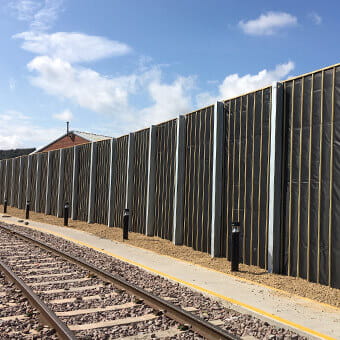
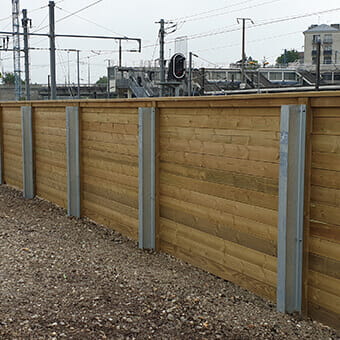
The most practical and effective way to control noise from battery storage sites is the installation of purpose designed acoustic barriers. Other solutions, such as equipment enclosures or alternative layouts, can help, but acoustic barriers consistently deliver the highest and most reliable reduction in sound.
Direct noise reduction
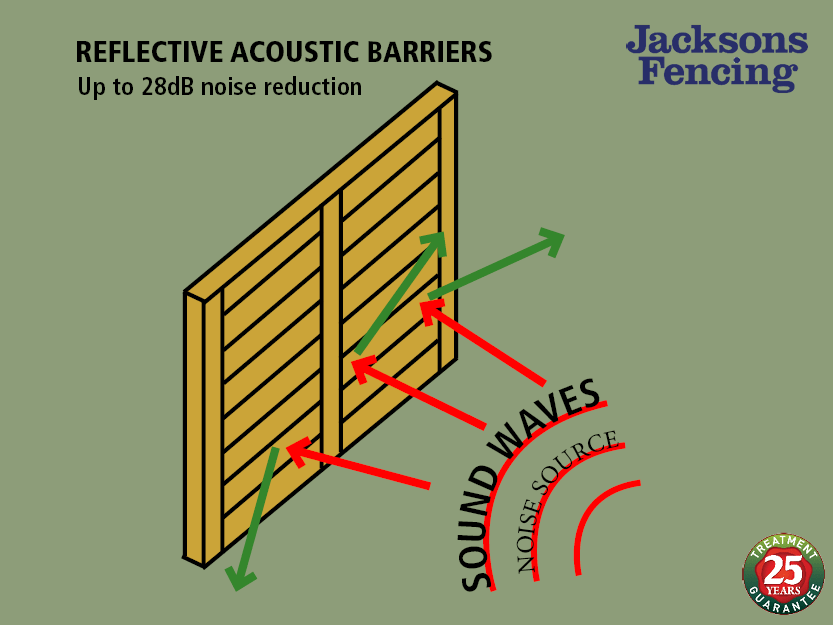
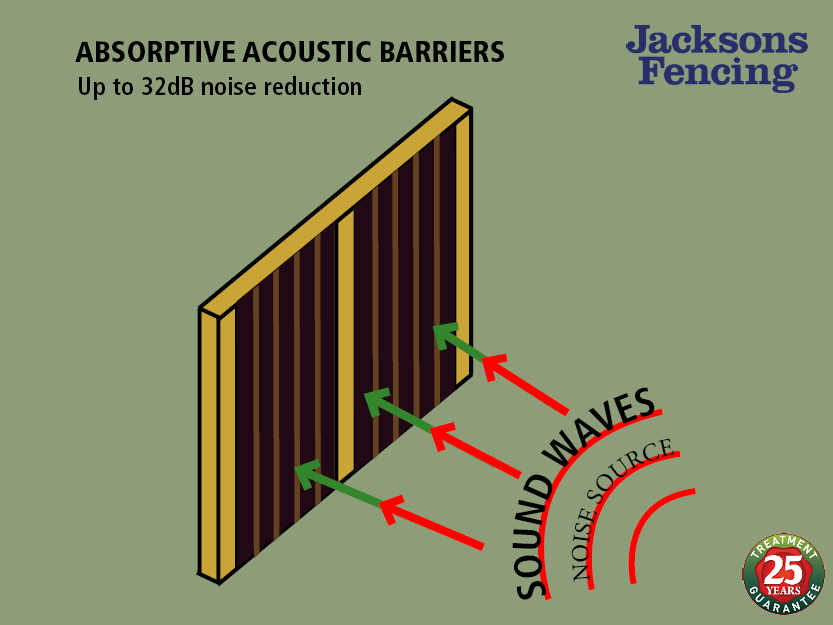
High quality acoustic barriers are engineered to absorb or reflect sound, significantly lowering the noise that travels beyond the site boundary. When positioned near cooling fans, inverters, or transformers, they can achieve reductions of up to several tens of decibels, depending on site conditions and barrier specification.
Compliance with planning and environmental regulations
Local councils impose strict acoustic limits at noise sensitive locations, including homes, schools, and workplaces. Acoustic barriers help ensure that battery storage sites meet these limits, protecting developers from enforcement action, delays, or the need for costly redesigns.
Improved community relations
Proactive noise mitigation demonstrates respect for local residents and helps build trust. When communities feel that their comfort and wellbeing have been considered, they are far more likely to support nearby energy projects.
Enhanced site security
Many acoustic barriers provide important security benefits in addition to noise control. Their solid, anti-scale profile helps prevent unauthorised access, and optional security toppings can further strengthen the perimeter, creating a robust defence against vandalism or intrusion.
A reliable alternative to landscaping
Landscaping alone cannot solve noise issues. Trees and shrubs do provide some acoustic attenuation but take years to establish, whereas solid, gap free acoustic barriers deliver immediate and measurable performance.
What Makes an Effective Acoustic Barrier?
For acoustic barriers at battery storage sites to work properly, they must meet certain criteria:
- They must be solid and continuous, with no gaps that allow sound to pass through.
- They require sufficient mass or density to absorb or reflect noise effectively.
- They must fully block the line of sight between the noise source and the affected receptor.
However, design alone is not enough. Placement is equally important.
The Importance of Barrier Positioning
The location of an acoustic barrier dramatically influences its effectiveness. For battery energy storage sites, barriers should be placed close to the noise generating equipment wherever possible. Doing so:
- Maximises the quiet zone behind the barrier: The closer the barrier is to the source, the smaller the angle through which sound can bend over the top, creating a larger area of reduced noise.
- Increases sound path difference: Blocking the direct line of sight forces sound waves to travel a longer route, which improves noise reduction.
- Allows for lower barrier height: A shorter barrier positioned near the noise source can provide the same attenuation as a much taller barrier placed further away, reducing costs and visual impact.
- Improves control of reflections and diffraction: By intercepting sound before it spreads, the barrier prevents noise from radiating widely across the area.
Early collaboration between acoustic engineers, site designers, and planning consultants ensures that barriers are positioned for maximum benefit.
Conclusion
Acoustic barriers offer a proven, cost effective, and long lasting solution. When properly designed and positioned, they dramatically reduce noise levels, enhance security, and support positive relationships with local communities. For developers, planners, and operators, incorporating acoustic barriers is not just good practice but a vital step in creating responsible and sustainable energy infrastructure.
If you would like assistance in selecting, designing, or positioning an acoustic barrier for a battery storage site, please contact our team.
Fencing for Battery Energy Storage Systems
Related content:
Security fencing for a battery storage facilityPhysical Security vs Digital security at BESS Sites
Why Battery Storage Sites are High Value Security Targets
Case Study: Acoustic Barriers for Battery Energy Storage System Site
Related products
Jacksons Security has a range of products relating to this article, all complete with our 25 year service life guarantee. If you cannot find the item you are looking for, please do not hesitate to call our friendly sales team.


Related Content

Acoustic Case Studies
Related Case Studies
We have completed a large number of Acoustic projects in various sectors, from housing, retail, leisure and education, to hospitals and healthcare, transport, utilities, and high security CPNI sites. Discover more through our portfolio of Acoustic case studies.
Acoustic Blogs
Related Content
We have an extensive library of Acoustic blogs covering a wide selection of topics, whether you need a helpful guide for recognising accreditations, an understanding of different processes such as our unique timber treatment or UKCA marking regulations for noise barriers.

Contact Us
Need Help?
From design and manufacturing to supply and installation, we can help you with your project. If you'd like to discuss anything in this article or need information or guidance, please feel free to contact us at any stage to discuss your requirements.
Top