Our other sites:


Battery Energy Storage Systems (BESS) have moved from niche to necessary in the UK’s energy landscape. As intermittent renewable generation grows, batteries smooth supply and support grid resilience. That role, combined with high value equipment and often remote locations, makes BESS sites attractive targets, and elevates the importance of robust, well specified high security fencing.
Why Battery Energy Storage Systems Sites Are Targeted
By identifying these risks early, you can develop a security strategy focused on detection, rapid verification, safe intervention, and solid documentation.
- High value assets in remote locations: Battery modules, inverters, and cabling are expensive and attractive to thieves. Many sites are rural with little surveillance and minimal staffing, making intrusion easier.
- Intrusion and vandalism: Common threats include copper stripping, module theft, tampering with cabinets or cabling, and malicious damage.
- Construction phase vulnerability: Equipment often arrives before permanent security is in place, leaving sites exposed when temporary fencing is used. Assets stored prior to commissioning are at risk from weak hoarding and uncontrolled access points.
- Environmental impacts on systems: Vegetation and debris can obstruct cameras or sensors, while wind blown objects may compromise inadequate barriers.
- Outages: Loss of power or communications can blind monitoring systems and delay response.
- Compliance gaps: Insurers, DNOs, and local authorities expect documented risk assessments, periodic testing, and maintained security controls. Failure to meet these requirements can lead to higher premiums or project delays.
- Operational impact: Theft or vandalism can delay grid connection, increase insurance costs, and damage investor confidence.
- Safety considerations: Lithium-ion batteries pose fire risks, so secure perimeters help maintain clear zones and controlled access for emergency response.
Managing Risks: Key Measures for Battery Storage Sites
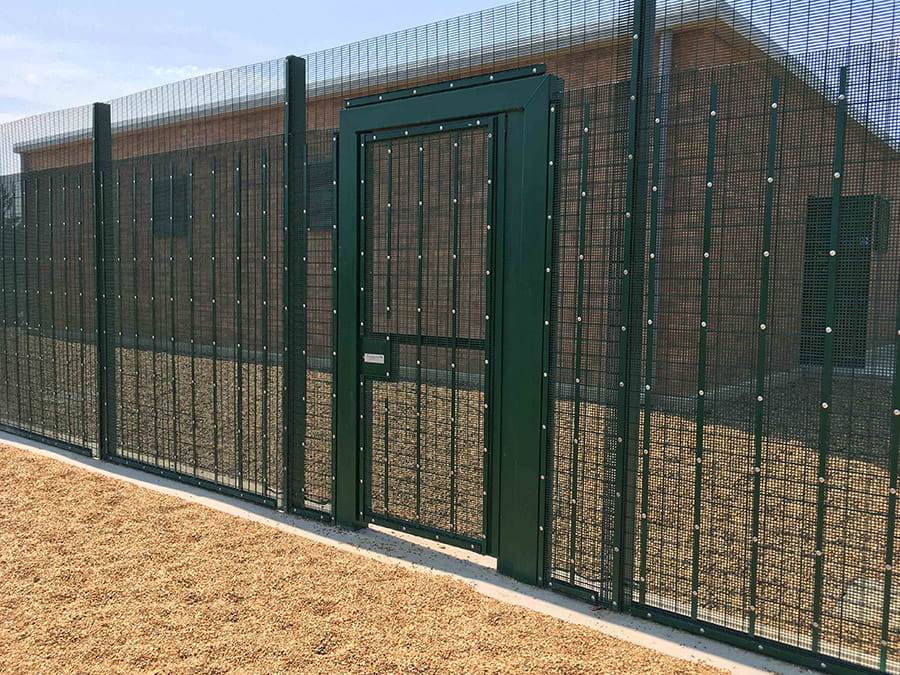
To protect battery storage sites effectively, security should be designed as a single, integrated system. Each element plays a role in reducing risk, but the perimeter forms the primary physical security barrier. Its purpose is to:
- Detect: PIDS on fencing (motion detection, CCTV)
- Delay: Create measurable time barriers to support response (police, keyholders, monitoring teams).
- Define: Establish controlled zones, safe standoffs, and clean sightlines for cameras.
- Document: Demonstrate a standardised, tested approach aligned to recognised security frameworks.
Key recommended measures include:
1. Install high security fencing and gates early
The perimeter is the first line of defence. Use tested systems such as LPS 1175 rated welded meh or vertical bar fencing with anti-climb design and tamper proof fixings. Include anti-lift gates with shrouded locks and controlled access points. Position fencing to create clear sterile zones and support CCTV coverage. Where possible, install permanent fencing during construction to protect valuable equipment before commissioning. Where early permanent installation isn’t feasible, use robust temporary barriers with monitored access and surveillance to protect the site until commissioning.
2. Access planning and integration of access control
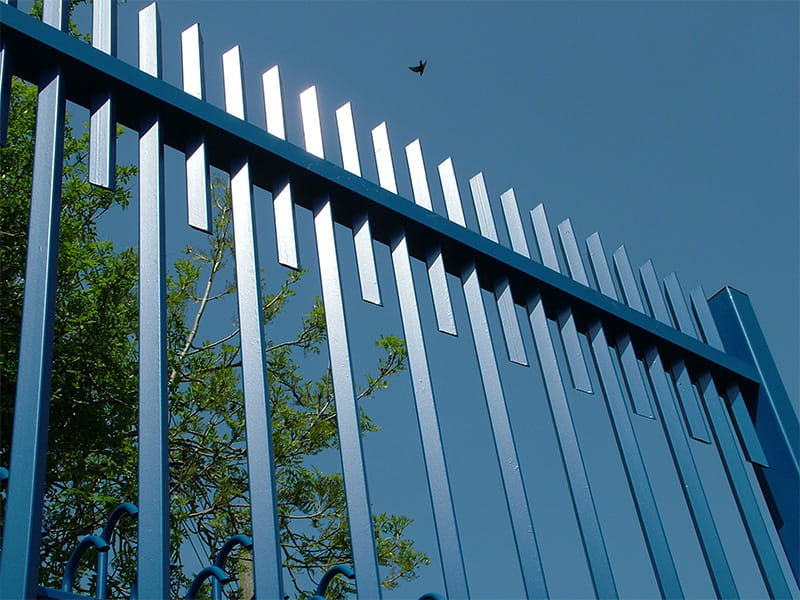
Combine physical barriers with electronic access systems. Role based permissions, audit trails, and time limited credentials help manage contractors and prevent unauthorised entry. Add intercoms for visitor verification and ensure gates are compatible with automation and emergency override protocols. Entrances to remote security sites are critical points of vulnerability. Criminals often look for opportunities to park close to access gates, making it easier to load stolen equipment quickly and escape. To reduce this risk, avoid designing entrances with lay-bys or pull-in areas where vehicles can stop unnoticed. Instead, keep approach roads narrow and visible, ensuring there is no space for a car to park without obstructing traffic. Incorporate clear sightlines and surveillance coverage so any vehicle near the entrance is easily monitored. Physical deterrents such as bollards or landscaping can further prevent opportunistic parking, making it harder for thieves to stage a quick getaway.
3. Deploy smart detection and cameras
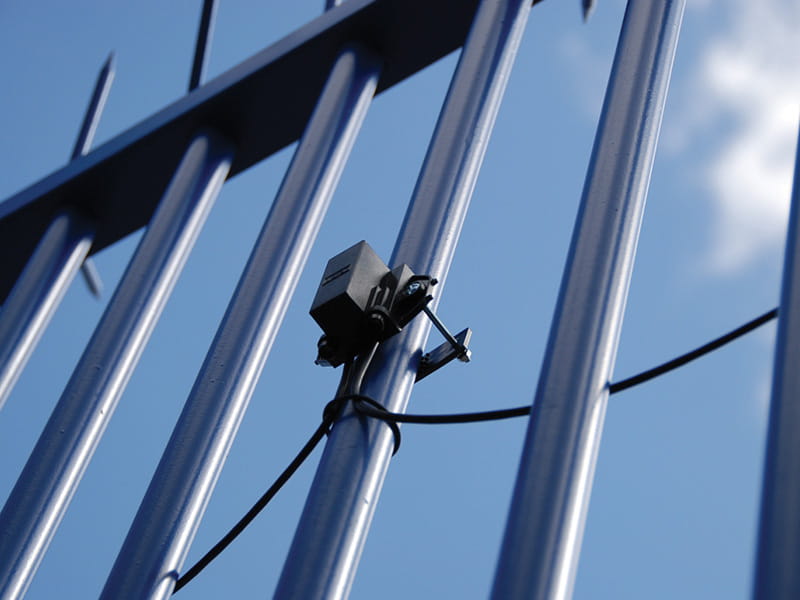
Pair perimeter security with Perimeter Intrusion Detection Systems (PIDS) or external sensors and video analytics to identify real threats. High quality cameras with infrared and thermal capability allow verification in poor light or smoke. Configure alarms to trigger camera bookmarks and audio challenge for immediate deterrence and to alert remote response teams.
4. Build resilience into power and communications
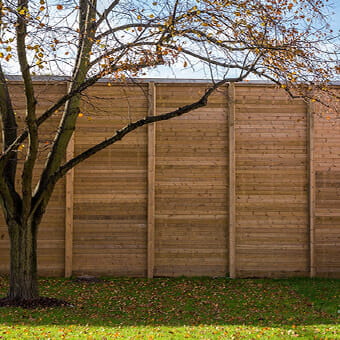
Protect critical systems with UPS backup and dual-path communications to maintain visibility during outages. Compounds are often concealed with acoustic fencing, which not only reduces the risk of vandalism but also helps minimise environmental noise.
5. Implement fire detection and suppression
Use multi criteria detection tuned to lithium-ion technology, including heat, smoke, and gas sensors. Integrate suppression systems designed to contain and cool affected cells, and coordinate with battery manufacturers for correct thresholds.
6. Ensure 24/7 monitoring and rapid response
Centralise alarms, CCTV, and fire alerts on a single platform for quick escalation to keyholders and emergency services. Pre-agreed response plans keep actions consistent and compliant.
7. Maintain and document everything
Regularly inspect fencing, gates and fixings, clear vegetation, clean cameras, and test alarms. Keep auditable records to satisfy insurers and regulatory checks.
Choosing the right fencing for battery storage sites
Operational Fencing Essentials
Start with high security welded mesh featuring tight apertures like Securi-Mesh® 358, tamper proof fixings, and proven resistance to manual attack (Securi-Mesh® A1). Gates must match fence performance with anti-lift hinges and shear nuts, lock shrouds, and automation suitable for site conditions. Plan clear zones for emergency access and integrate mounting points for cameras, sensors, and protected cabling.

Recommended Approaches by Site Type
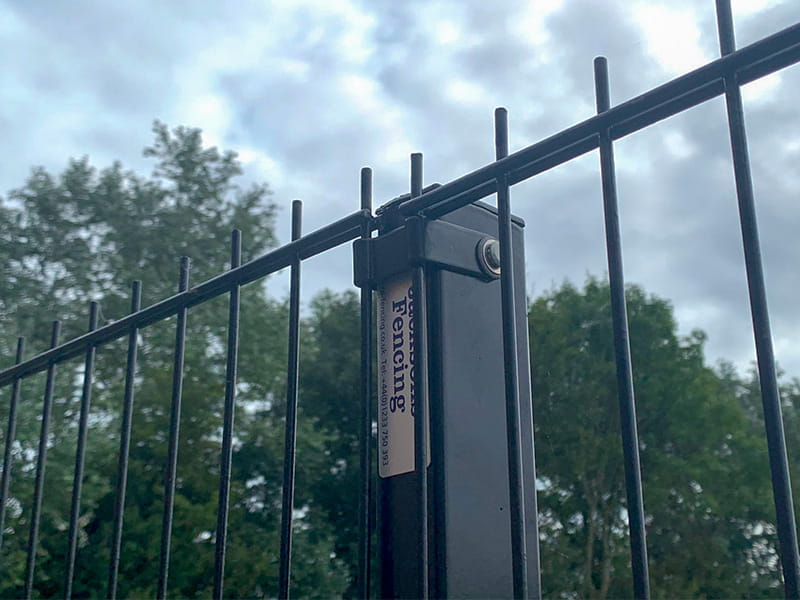
- Remote utility-scale: welded mesh, secure gates with protected hinges and shear nuts, sterile zones, and continuous lighting with integrated PIDS.
- Solar and storage: Unified perimeter with long sightlines and tamper resistant cable routes.
- Urban sites: Compact, high performance mesh, layered fencing, and CCTV friendly layouts.
- High risk installations: Increased height, tighter apertures, dual-layer perimeters, security toppings, and PIDS.
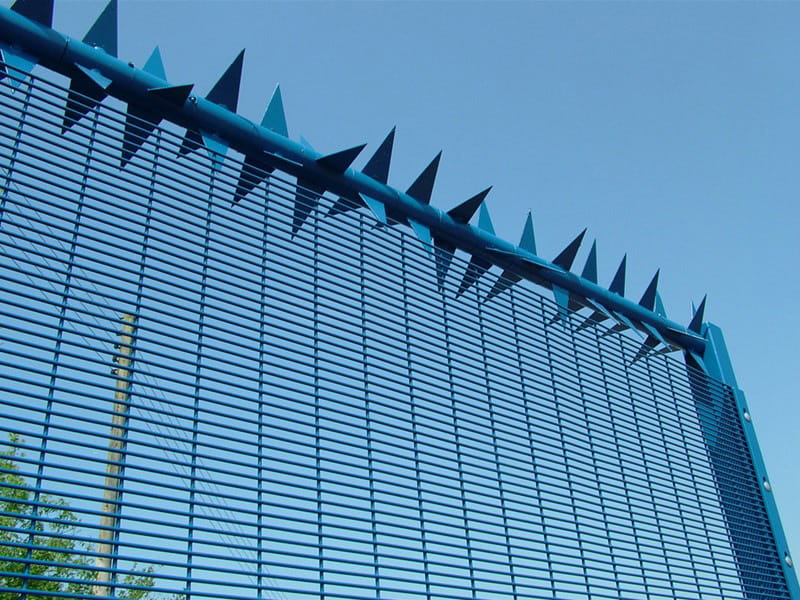
Integration with Detection
Combine fencing with video analytics, intrusion sensors, and audio challenge. Additionally, configure alarms to trigger video bookmarks for rapid verification.
Emerging Standards and Compliance Expectations
Although the UK currently lacks a single national security standard for BESS, regulatory pressure is increasing. In the meantime, developers and insurers rely on recognised frameworks and certifications to guide best practice, such as:
- LPCB LPS 1175 rated fencing – proven resistance to forced entry.
- Secured by Design – police backed principles for crime prevention through design.
- UKPN and DNO guidance – infrastructure security standards often applied to BESS sites.
Avoid Common Failures
Typical issues include weak gates, cluttered fence lines, late installation, and unsecured interfaces. These should be addressed early to reduce risk.
Rural sites have seen rising metal theft, repeated break ins where basic fencing was bypassed, and commissioning delays from equipment losses. Treating perimeter security as an afterthought increases incidents and insurance challenges, while early investment in robust fencing prevents predictable losses and protects timelines.
Related content:
Security fencing for a battery storage facility Fencing for Battery Energy Storage Systems Physical Security vs Digital security at BESS Sites Why Acoustic Barriers Are Essential for Battery Energy Storage Sites How Fencing Deters Theft, Vandalism and Sabotage at Battery Energy Storage SitesRelated products
Jacksons Security has a range of products relating to this article, all complete with our 25 year service life guarantee. If you cannot find the item you are looking for, please do not hesitate to call our friendly sales team.
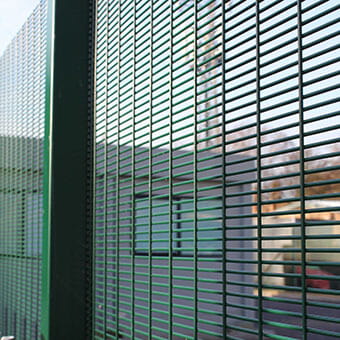
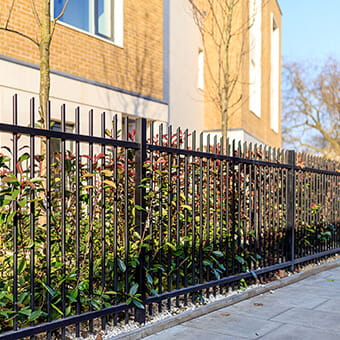

Related Content
Case Studies
Related Case Studies
We have completed a large number of projects in various sectors, from housing, retail, leisure and education, to hospitals and healthcare, transport, utilities, and high security NPSA (previously CPNI) sites. Discover more through our portfolio of case studies.

Blogs
Related Content
We have an extensive library of blogs covering a wide selection of topics, whether you need a helpful guide for recognising accreditations, an understanding of different processes such as galvanisation, or specialist advice on securing a rural site against crime.

Contact Us
Need Help?
From design and manufacturing to supply and installation, we can help you with your project. If you'd like to discuss anything in this article or need information or guidance, please feel free to contact us at any stage to discuss your requirements.
Top