Our other sites:


Physical security has traditionally focused on preventing theft, vandalism, and unauthorised access. However, as threats continue to evolve, security professionals are increasingly being asked to consider a different challenge: how to protect people from determined and potentially violent attackers.
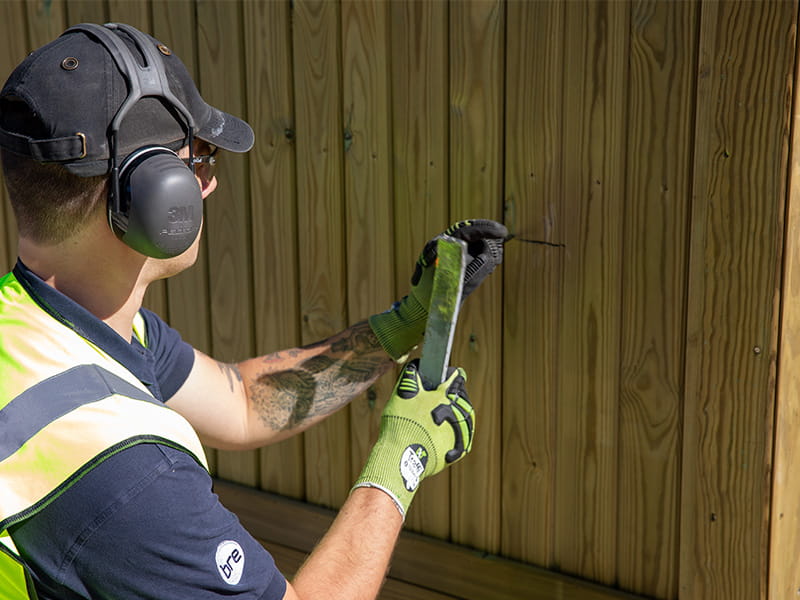
The introduction of standards such as LPS 1673 reflects a growing recognition that some attacks are no longer solely motivated by the desire to steal assets. Instead, there is increasing concern around incidents where individuals themselves may be the primary target. Developed to address violent and determined forced entry threats, LPS 1673 represents a shift towards security standards that place greater emphasis on occupant protection, resilience, and the creation of valuable response time during an attack.
A changing security landscape
Security threats have never remained static. Over the past several decades, physical security strategies have evolved in response to changing criminal behaviour, technological developments, and emerging risks.
Traditionally, perimeter security was largely designed to deter opportunistic criminals. The primary objective was to prevent theft by creating a barrier that was difficult, noisy, or time-consuming to breach. Fencing, gates, locks, and access control systems were often specified with the protection of valuable assets in mind.
Today, however, security professionals are increasingly required to consider a broader range of threats.
Organised criminal groups have become more sophisticated in their methods, often carrying out carefully planned attacks using specialist portable tools and intelligence. At the same time, concerns around terrorism, targeted violence, and attacks against specific individuals have prompted organisations and property owners to reassess whether traditional security measures alone provide sufficient protection.
As a result, physical security is no longer viewed solely as a means of protecting property. It is increasingly regarded as a critical component of occupant safety and resilience.
The growing concern around targeted attacks
One of the most significant developments in recent years has been the increased focus on targeted attacks.
Unlike opportunistic criminal activity, targeted attacks are often carefully planned and may involve specific objectives, locations, or individuals. The attacker may have assessed the property's vulnerabilities in advance and may be willing to use greater force or persistence to achieve their aim.
While these threats have historically been associated with government facilities, diplomatic buildings, and high profile organisations, concerns are now extending to a wider range of properties.
For example, high net worth individuals, senior executives, public figures, and owners of valuable assets may face elevated security risks compared with the average residential property owner. Similarly, organisations responsible for critical infrastructure, sensitive information, or strategic operations may need to consider how they would respond to a determined attack against people rather than property.
Although such incidents remain relatively uncommon, the potential consequences can be severe. This means that risk assessments increasingly need to consider not only the likelihood of an attack but also its potential impact.
Why delay time matters
When discussing violent forced entry protection, one concept appears repeatedly: delay time.
In physical security, the objective is not always to create an impenetrable barrier. In reality, given enough time and resources, many security measures can eventually be overcome. Instead, effective security systems are designed to slow an attacker's progress and create valuable time for other protective measures to take effect.
This principle is often referred to as the ‘delay, detect, and respond’ approach.
Every additional second that an attacker spends attempting to breach a perimeter can provide critical benefits, including:
- Allowing occupants to move to a safer location
- Triggering security alerts and alarms
- Enabling security personnel to respond
- Allowing emergency services to be contacted
- Activating lockdown procedures
- Supporting evacuation plans where appropriate
In many scenarios, the difference between a successful and unsuccessful attack is the amount of time available for a response.
This is one reason why physical barriers remain such an important part of modern security design. While electronic systems play a vital role in detection and monitoring, they are often most effective when combined with physical measures that actively delay intrusion.
The evolving role of perimeter security
Perimeter security is often the first line of defence for any property.
Historically, perimeter fencing may have been viewed primarily as a boundary marker or deterrent against trespassing. Today, its role has expanded significantly.
A well designed perimeter can help:
- Deter potential attackers
- Increase the effort required to gain access
- Improve detection opportunities
- Direct movement towards controlled entry points
- Support surveillance systems
- Create valuable delay time
- Provide a concealed location to hide
Importantly, perimeter security should not be considered in isolation. Modern security design recognises that no single product or solution is capable of addressing every threat.
Instead, successful security strategies are increasingly based on the principle of layered protection.
Understanding layered security design
Layered security design is based on the idea that multiple protective measures are more effective than relying on a single barrier.
If one layer is breached, additional layers continue to slow progress and provide opportunities for detection and response.
A typical layered security strategy may include:
Outer perimeter protection
The perimeter serves as the first obstacle an attacker encounters.
This may include:
- Security fencing
- Gates
- Vehicle barriers
- Secure access points
The purpose is to deter intrusion and delay any attempt to gain entry.
Detection and monitoring
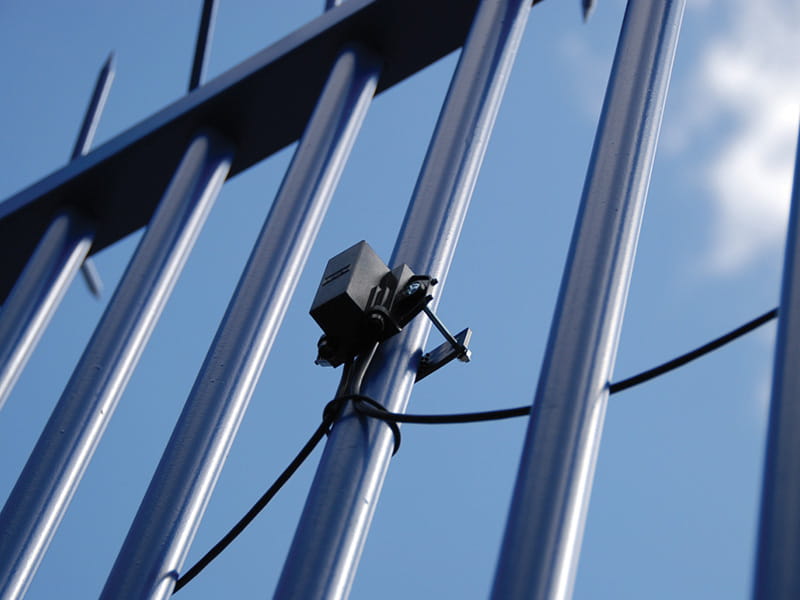
The next layer that builds upon the first, physical boundary focuses on identifying suspicious activity as early as possible.
Examples include:
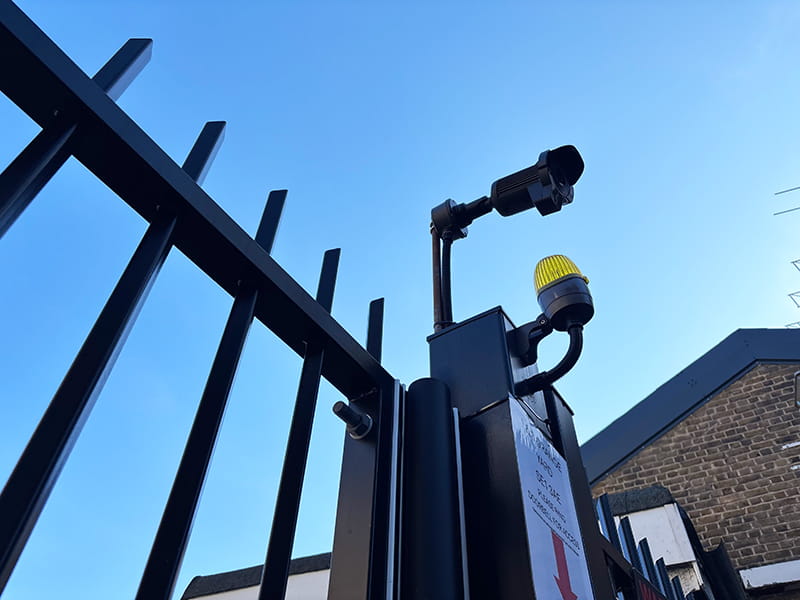
- CCTV systems
- PIDS
- Motion detection technology
- Intruder alarms
- Remote monitoring services
- Security patrols
Early detection can significantly improve response times and prevent incidents from escalating.
Access control
Not everyone who reaches a building should be able to enter it.
Access control measures may include:
- Electronic credentials
- Security passes
- Biometric systems
- Intercom systems
- Visitor management procedures
These controls help ensure that access is granted only to authorised individuals.
Building security
The building itself forms another critical layer.
This may involve:
- Security doors
- Reinforced glazing
- Internal compartmentation
- Secure lobbies
- Lockdown capabilities
Each measure contributes to extending delay times and restricting movement within the property.
Safe areas and protective spaces
For sites facing elevated risks, additional layers may include protected locations where occupants can remain secure while assistance arrives.
The objective is to ensure that even if an attacker reaches the building, people remain protected.
Public Spaces
In public spaces, creating a secure perimeter can be challenging because accessibility and the free movement of people must be maintained. In locations such as town centres, transport hubs and public squares, a perimeter fence is not always a practical or appropriate solution.
Where a perimeter fence is not feasible, security measures should focus on reducing vulnerability to threats such as marauding attacks. This may include the use of hostile vehicle mitigation, controlled access points, surveillance, landscaping and street furniture to restrict movement and protect people without creating a fully enclosed site.
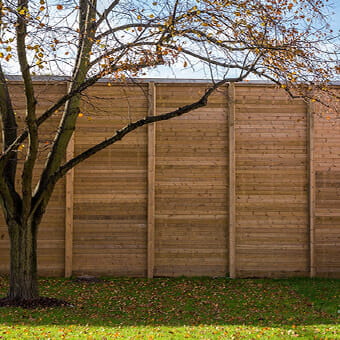
Fencing may still be used to protect specific assets, including utilities, plant equipment and service compounds. Solid panel fencing can help conceal valuable assets from view and reduce the information available to a potential attacker. However, it can also create areas where individuals may hide from observation or conceal weapons and equipment. The choice of fencing should therefore balance asset protection, visibility and public safety, ensuring that security measures do not inadvertently create additional risks.
Security design is becoming more risk-led
One of the most notable changes in recent years is the move towards risk-led security planning.
Rather than selecting products based solely on budget or historical practice, organisations are increasingly carrying out detailed threat assessments before making security decisions.
Questions that security professionals often consider include:
- What are the most likely threats?
- Who or what is being protected?
- What are the consequences of a successful attack?
- How quickly can a response be mobilised?
- What vulnerabilities exist within the current design?
This approach ensures that security measures are proportionate to the actual risks faced by a property.
For some sites, a basic boundary fence may be sufficient. For others, particularly those protecting vulnerable individuals, valuable assets, or critical services, a more robust and integrated approach may be required.
Looking beyond prevention
Another important shift in modern security thinking is the recognition that prevention alone is not enough.
The reality is that no security system can guarantee absolute protection in every circumstance. Because of this, security strategies increasingly focus on resilience as well as prevention.
Resilience involves planning for how a site will respond if an incident occurs.
This includes:
- Emergency procedures
- Occupant safety plans
- Communication protocols
- Incident response measures
- Recovery planning
Physical security, including perimeter protection, plays a key role in this wider strategy by helping to create the time needed for those plans to be implemented effectively.
The future of violent forced entry protection
As security threats continue to evolve, the industry's approach to protection will evolve alongside them.
The growing focus on violent forced entry protection reflects a broader understanding that security is not simply about defending buildings or assets. It is about protecting the people who occupy those spaces.
This shift is driving the development of new standards, new technologies, and new design principles that place occupant safety at the centre of security planning.
For property owners, architects, consultants, and security professionals, the challenge is no longer just to stop an intruder from getting in. It is to create a security strategy that buys time, supports response efforts, and provides meaningful protection when it matters most.
In an increasingly complex threat environment, the most effective security solutions are those that combine strong physical barriers, intelligent detection systems, and carefully planned layers of protection. Together, these elements create a more resilient environment capable of responding to both today's risks and the challenges of the future.
Understanding LPS 1673 and violent forced entry protection
As concerns around targeted and violent attacks have increased, security standards have evolved to address threats that extend beyond traditional burglary and theft.
LPS 1673, developed by the Loss Prevention Certification Board (LPCB), was introduced to assess the ability of security products to resist determined and aggressive methods of forced entry. Unlike traditional burglary-focused testing, the standard is designed to evaluate how effectively a product can delay an attacker who may be using a range of tools and applying significant force in an attempt to gain rapid access.
The objective of LPS 1673 is not necessarily to create an impenetrable barrier. Instead, it focuses on providing measurable and repeatable levels of protection that contribute to a wider security strategy. By slowing an attacker's progress, tested products can create valuable time for occupants to move to safety, for security personnel to respond, and for emergency procedures to be implemented.
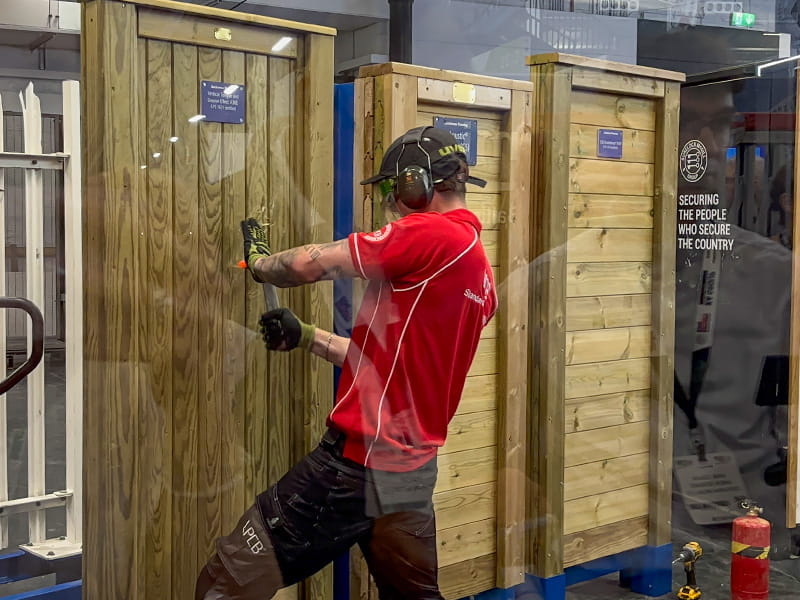
This emphasis on delay aligns with established security principles. The National Protective Security Authority (NPSA) notes in its Manual for Protective Security that "a barrier that takes 30 seconds to overcome is highly valuable", highlighting the significant security benefits that can be achieved by even relatively short delays. In many incidents, the ability to gain additional seconds or minutes can make a meaningful difference to the effectiveness of a response.
As a result, standards such as LPS 1673 are playing an increasingly important role in risk-led security design, helping specifiers, consultants and property owners select products that contribute to a layered approach to protecting both assets and people.
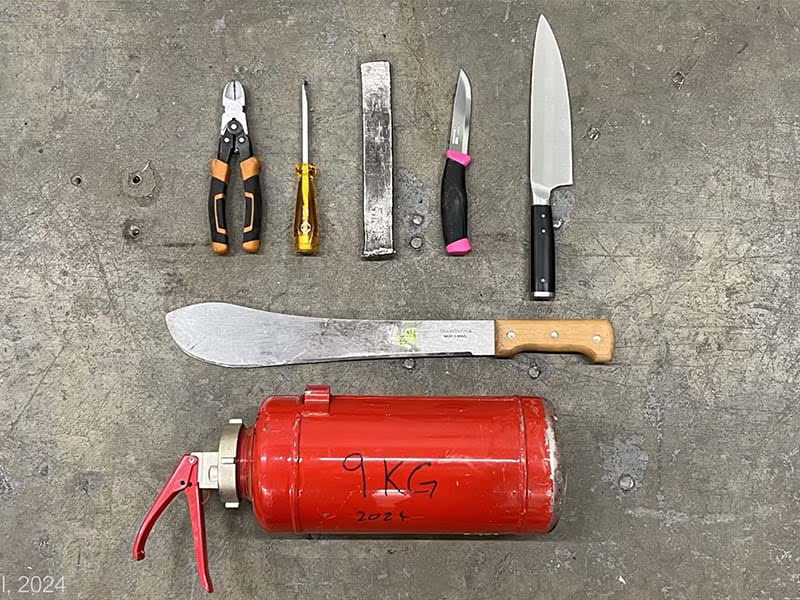
Image courtesy of BRE Global
Related content
Related products
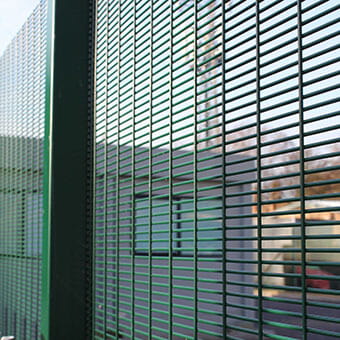
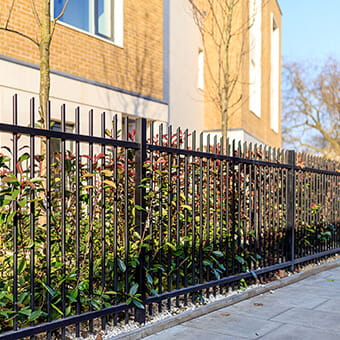
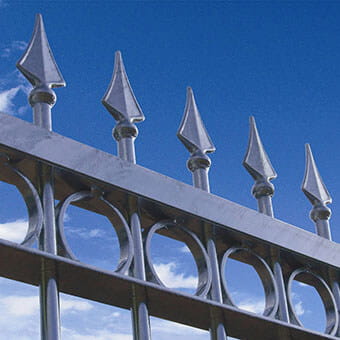
Jacksons Security has a range of products relating to this article, all complete with our 25 year service life guarantee. If you cannot find the item you are looking for, please do not hesitate to call our friendly sales team.
Related Content
Case Studies
Related Case Studies
We have completed a large number of projects in various sectors, from housing, retail, leisure and education, to hospitals and healthcare, transport, utilities, and high security NPSA (previously CPNI) sites. Discover more through our portfolio of case studies.

Blogs
Related Content
We have an extensive library of blogs covering a wide selection of topics, whether you need a helpful guide for recognising accreditations, an understanding of different processes such as galvanisation, or specialist advice on securing a rural site against crime.

Contact Us
Need Help?
From design and manufacturing to supply and installation, we can help you with your project. If you'd like to discuss anything in this article or need information or guidance, please feel free to contact us at any stage to discuss your requirements.
Top