Our other sites:


When specifying physical security products, choosing the right certification standard is essential. Two standards that are increasingly being discussed within the security industry are LPS 1175 and the newer LPS 1673. While both assess a product's ability to resist attack, they have been developed with different threat scenarios in mind.
Understanding the differences between these standards can help architects, security consultants, facilities managers, and property owners select the most appropriate level of protection for their site.
What is LPS 1175?
LPS 1175 is one of the UK's most widely recognised physical security standards. Developed by the Loss Prevention Certification Board (LPCB), it is designed to assess how effectively security products can resist forced entry attempts by intruders targeting property, valuables, and other assets. Its primary focus is on intruder resistance and burglary prevention, protecting property and infrastructure against opportunistic or planned break-ins. The standard covers a wide range of security products, including fencing, gates, doors, shutters, and glazing systems.
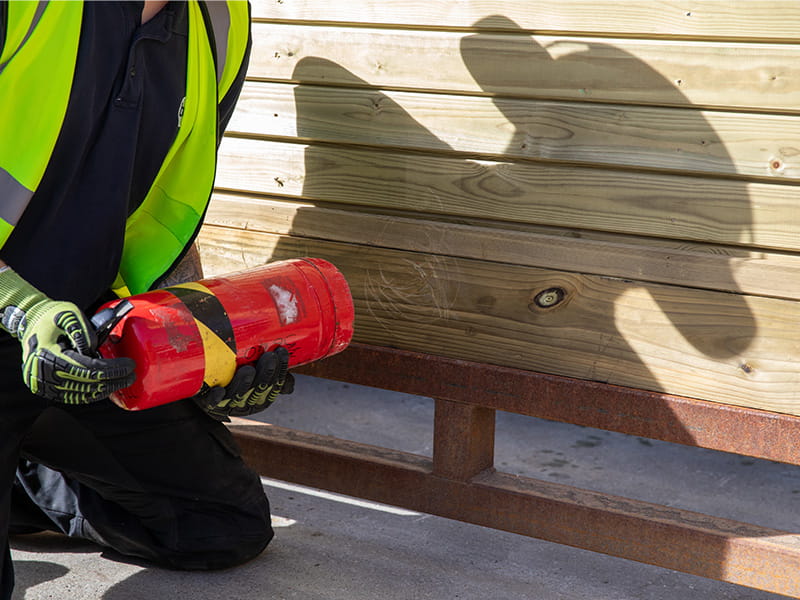
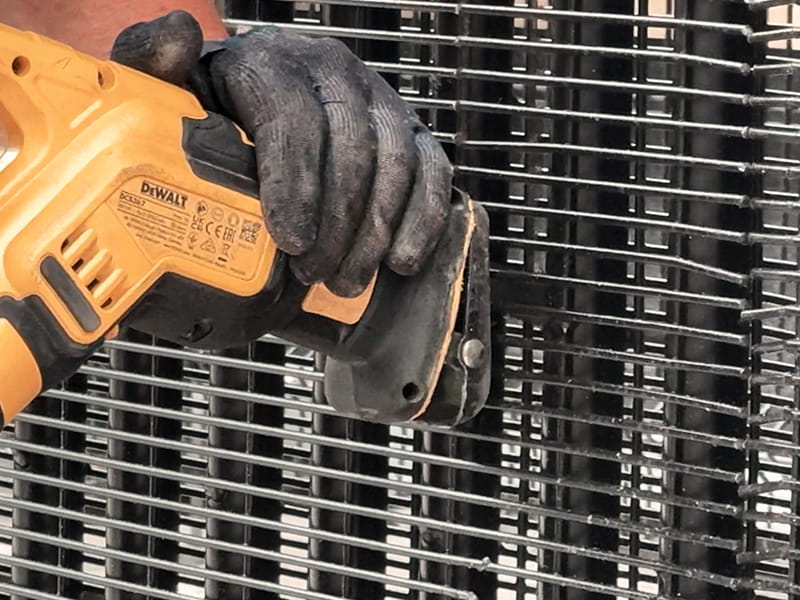
Products are tested against a wide range of attack methods using specific tool sets (grouped from A to H) and techniques and awarded a security rating out of a possible 48 by testing measured time windows (in minutes, up to 20). The certification system is designed to help specifiers match the level of protection to the anticipated threat, providing confidence that a product has undergone rigorous independent testing.
For many commercial, industrial, and critical infrastructure sites, LPS 1175 remains the benchmark for perimeter security. We discuss LPS 1175 in more detail in our dedicated blog post.
What is LPS 1673?
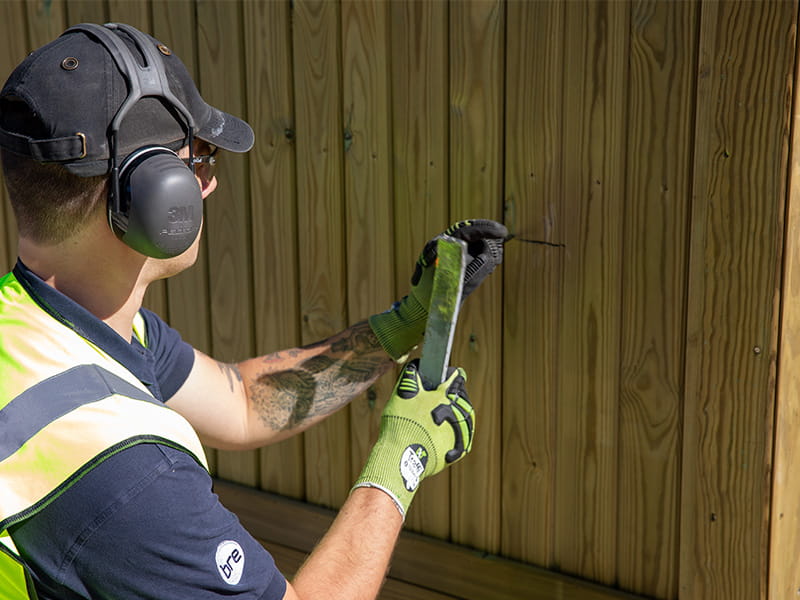
In 2024, Issue 1 of LPS 1673 was published; an LPCB certification standard that focuses on protecting people from violent forced entry attacks. The primary focus is on human safety, specifically defending against violent, aggressive, and direct attacks targeted at individuals or groups behind a barrier. The standard was developed following extensive research into emerging security threats and is intended to provide occupants with valuable delay time to reach a safer location or implement security procedures while assistance arrives.
The scope of LPS 1673 includes a variety of security products, including fences, gates, walls, windows, doors, and other physical barriers. Unlike traditional security standards that primarily focus on the protection of assets, LPS 1673 considers scenarios where individuals may be specifically targeted. Ratings are again categorised by toolsets (A-D) and time windows (in seconds, not minutes, up to a maximum of 300).
While the standard may be particularly relevant to high-value residential properties at present, it is applicable to a wide range of applications including government buildings, diplomatic premises, executive residences, secure compounds, retail, commercial premises, and other locations where people, as well as assets, require protection.
The Key Difference: Assets vs People
The simplest way to understand the difference between the two standards is to consider the primary objective of the attack.
LPS 1175: Protecting Assets
LPS 1175 is typically focused on preventing unauthorised access to assets. These assets may include:
The attacker is generally attempting to gain access to something within the site boundary. The objective of the security system is to delay, deter, and prevent that access.
LPS 1673: Protecting People
LPS 1673 addresses situations where occupants themselves may be the target. The objective is not simply to prevent theft but to delay a potentially violent attacker long enough for those inside to move to a place of safety or for security personnel and emergency services to respond.
This change in focus reflects evolving security concerns and the growing need to protect individuals as well as physical assets.
Different Threat Scenarios
Although there can be overlap between the two standards, they are often applied to different threat environments.
Typical Applications for LPS 1175
LPS 1175 certified perimeter security is commonly specified for:
In these environments, the primary concern is often theft, sabotage, criminal damage, or unauthorised access.
Typical Applications for LPS 1673
LPS 1673 may be suitable for locations where there is an elevated risk to occupants, including:
In these scenarios, the perimeter is designed to slow an attacker and create valuable time for protective measures to take effect.
As awareness of the standard grows, it is likely that its application will expand into a broader range of sectors where personal security is a significant consideration.
How Should Specifiers Assess Risk?
When deciding whether LPS 1175, LPS 1673 or a combination of both is appropriate, a detailed risk assessment is essential.
Specifiers should consider several key questions:
What Is the Site Protecting?
If the main concern is preventing theft, vandalism, or unauthorised entry, LPS 1175 may be the most appropriate starting point.
If the priority is protecting residents, staff, visitors, or high profile individuals, LPS 1673 may be more relevant.
Who Is the Likely Attacker?
Understanding the threat actor is critical.
Consider:
A criminal attempting opportunistic theft presents a different level of risk to an individual carrying out a targeted attack against an occupant.
What Are the Consequences of a Breach?
The impact of a successful breach should also be assessed.
Questions may include:
The answers often determine the level and type of protection required.
What Other Security Measures Are Present?
Perimeter security should rarely be considered in isolation.
A comprehensive security strategy may also include:
LPS 1673 itself recognises that additional protective measures may be present within the wider security strategy.
Do Sites Need One Standard or Both?
In many cases, a site may benefit from products tested to a single standard that reflects the primary threat. However, some sites may have both asset protection and personal security requirements.
For example:
In these situations, security consultants may choose to adopt a layered approach that considers both asset-focused and people-focused threats.
Rather than viewing LPS 1175 and LPS 1673 as competing standards, it may be more helpful to view them as addressing different aspects of a site's overall risk profile.
Choosing the Right Standard
The introduction of LPS 1673 represents an important evolution in physical security design. While LPS 1175 continues to provide a proven framework for protecting assets from attack, LPS 1673 introduces a new focus on protecting people from violent forced entry threats.
For specifiers, the choice should always be driven by risk assessment. Understanding what is being protected, who may pose a threat and what the consequences of a breach could be will help determine the most appropriate security solution.
As security threats continue to evolve, both standards are likely to play an increasingly important role in the design of effective perimeter protection systems, helping to safeguard not only valuable assets but, more importantly, the people behind them.
Related content
The rise of violent forced entry attacks: How perimeter security is evolving
Related Content
Case Studies
Related Case Studies
We have completed a large number of projects in various sectors, from housing, retail, leisure and education, to hospitals and healthcare, transport, utilities, and high security NPSA (previously CPNI) sites. Discover more through our portfolio of case studies.
Blogs
Related Content
We have an extensive library of blogs covering a wide selection of topics, whether you need a helpful guide for recognising accreditations, an understanding of different processes such as galvanisation, or specialist advice on securing a rural site against crime.

Contact Us
Need Help?
From design and manufacturing to supply and installation, we can help you with your project. If you'd like to discuss anything in this article or need information or guidance, please feel free to contact us at any stage to discuss your requirements.
Top